

Buying an EV in Iowa: Charging, Costs, and Installation Questions
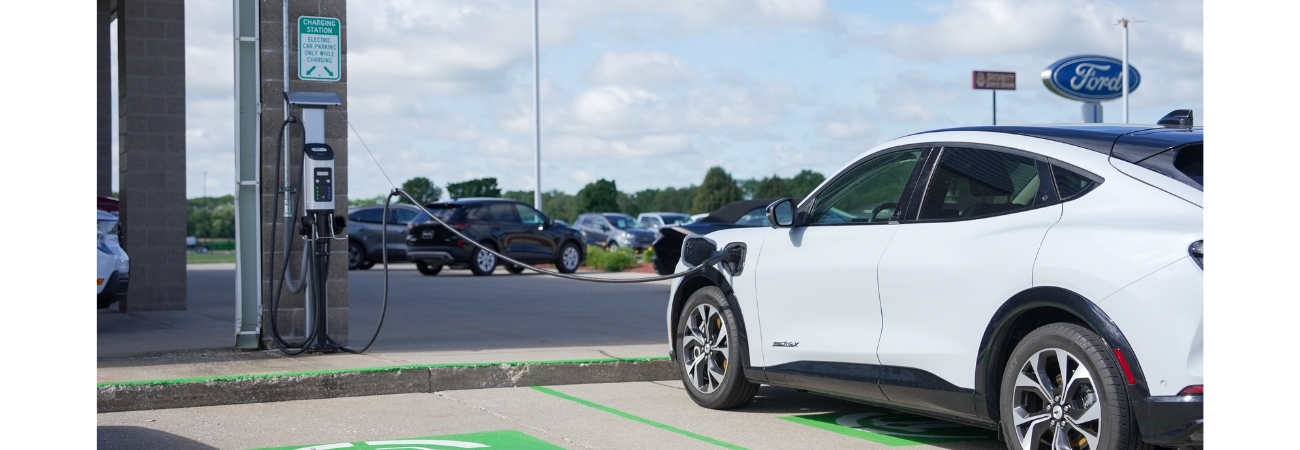
You have found an electric vehicle that fits your budget, but the purchase decision doesn't end at the dealership. Iowa winters, rural driving distances, and whether its charging port matches your home's electrical setup all shape the ownership experience.
Understanding EV home charging basics before you sign helps you avoid a rushed installation after delivery. Your actual costs depend on the vehicle, utility rates, mileage, and the work your home needs. Start by matching the vehicle and charging plan to your everyday routine.
Key Takeaways
Match the EV's range, charging port, battery warranty, and charging speed to your daily driving, Iowa winters, and rural travel needs.
Level 1 charging may work for low-mileage drivers, while Level 2 charging is the usual home setup for faster overnight charging.
Have a qualified installer inspect your electrical panel, confirm permits and load capacity, and provide an itemized quote before work begins.
Compare the full cost of ownership, including electricity, installation, insurance, maintenance, financing, and current incentives.
Coordinate charger installation with vehicle delivery, and confirm that the equipment and connector match the vehicle's charging port.
Buying an EV in Iowa Starts With the Right Questions
Before comparing payments, look closely at how you drive. Track your typical daily miles, where you park overnight, and whether you can charge at work or along common routes. A driveway or garage makes home charging much easier, while apartment living may require a stronger public charging plan.
Iowa drivers also need to account for cold weather. Low temperatures can reduce driving range, while snow, wind, cabin heat, and winter roads increase energy use. If you travel long rural stretches, check DC fast charging locations and each route-side charging station along your regular corridors.
Compare the total cost of ownership, not only the monthly payment. Include insurance, electricity, maintenance, financing, and possible home electrical work. You can use a Ford payment calculator to compare a vehicle payment with those expected costs.
Check Winter Range, Battery Warranty, and Road-Trip Needs
Start with the vehicle's EPA range rating, then leave room for lower range during very cold weather. Battery conditioning, defrosting, snow-covered roads, and strong headwinds all use additional energy. Consider how much state of charge you'll need before reaching your destination.
Ask the dealer about battery warranty coverage, charging speed, heat-pump equipment, roadside assistance, and connector compatibility. Confirm that the charging port works with the networks you expect to use. A larger battery capacity can suit frequent interstate trips or long Iowa drives.
A smaller battery may be practical for a short commute when overnight charging is available. Drivers who regularly travel long rural distances might also consider a plug-in hybrid electric vehicle, which offers an electric option with a gasoline backup.
Buying or Leasing Changes the Cost and Charging Decision
Buying can make sense if you plan to keep the EV after the loan ends. Leasing offers a shorter commitment and may appeal to drivers who want to try an electric vehicle as technology changes.
Read lease terms closely. Check annual mileage limits, end-of-lease fees, battery-condition requirements, and wear rules. Also consider whether permanent home equipment makes sense for a vehicle you may return in a few years. A federal tax credit and other federal, state, utility, and dealership incentives can change, so verify current eligibility before signing.
EV Home Charging Basics for an Iowa Home
At-home electric vehicle charging usually comes down to three options. Level 1 charging uses a standard household outlet and adds range slowly. It can work for low-mileage drivers with plenty of overnight time.
Level 2 charging uses a dedicated circuit and is the usual home setup. A properly installed NEMA 14-50 outlet is one possible plug-in configuration. A home charger is formally called Electric Vehicle Supply Equipment (EVSE). Match its connector to your vehicle's charging port before installation.
DC fast charging is mainly available at a public charging station and is useful during longer trips. Charging speed depends on the vehicle, its onboard charger, and the equipment setup.
You usually won't charge from empty every day. If you drive 40 miles, electric vehicle charging only needs to replace the energy used for those 40 miles.
Choose the Best Charger Location and Setup
A garage wall is often the simplest location, but a carport or exterior wall can also work. Choose weather-rated equipment for outdoor use, and confirm that the charging cord reaches the vehicle's charging port without crossing a walkway or driveway.
Plan for snow, ice, standing water, and vehicle traffic. Store the charging cord safely when it isn't in use. A hardwired charger can provide a clean permanent setup, while a plug-in unit can be easier to replace or remove when the outlet and circuit are properly installed. Never use an extension cord or an adapter that the EV or charger manufacturer has not approved for charging.
Know When Your Electrical Panel Needs an Upgrade
An installer should inspect service capacity, open panel spaces, wiring, grounding, and the distance between the electrical panel and charger. Older Iowa homes may need a new circuit, subpanel, load-management device, or service upgrade.
Smart charging can schedule charging during off-peak hours when your utility company permits it. First, confirm the rate plan, enrollment rules, and compatible equipment. Your installer should also check local permit and inspection requirements before work begins.
Home EV Charging Costs and What to Ask Your Installer
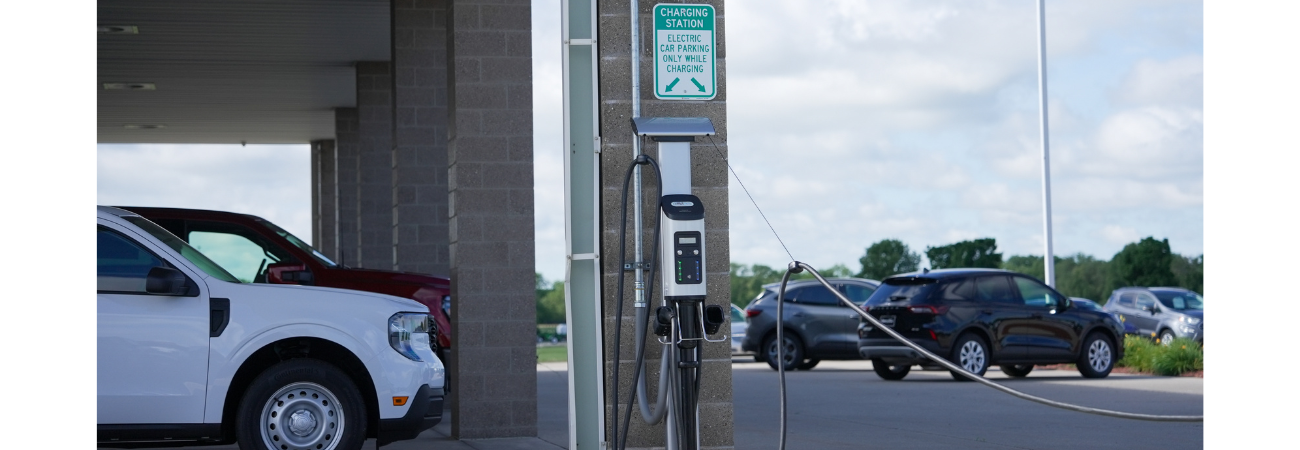
Electric vehicle charging has separate equipment, installation, and electricity costs, with energy measured in kilowatt-hours. A basic charger may cost a few hundred dollars, while installation can range from several hundred dollars to several thousand, depending on wire distance, panel work, conduit, trenching, permits, and site access.
Your cost per charge depends on the energy added, your utility company's rate, and the vehicle's efficiency. Some utilities offer lower rates during off-peak hours, which can reduce electricity costs.
DC fast charging can be convenient on trips, but it may use a different pricing model than residential electricity. Public charging isn't always cheaper than charging at home, so compare the rate before using a charging station.
Questions That Reveal a Qualified EV Charger Installer
Ask direct questions before accepting an estimate:
Are you a licensed electrician with experience installing EV charging equipment?
Will you obtain required permits and arrange the inspection?
Which charger and circuit size fit this electric vehicle's charging port and charging speed?
Does the written quote include labor, wire, conduit, breakers, permits, trenching, and wall or yard repairs?
Will you label and test the circuit, and do you offer a workmanship warranty?
Can you verify the electrical panel's capacity and consider load management before recommending a service upgrade?
Have you completed electric vehicle charging projects, and will you coordinate with the utility company or homeowner association if needed?
These questions turn vague pricing into a clear scope of work.
Read the Quote Before You Schedule the Work
Compare at least two itemized quotes. Each should identify the charger model, amperage, mounting location, wire type, maximum charging rate, permit fees, timeline, and payment terms.
The lowest bid may leave out panel changes or permit costs. Confirm who handles software setup, future service, warranty claims, and repairs for trenching or wall damage. Choose a setup that's safe, permitted, sized for your vehicle, and easy to use every day.
Coordinate Vehicle Delivery With Home Preparation
Schedule electrical work early if you know you want Level 2 charging. A charger installation can take longer when permits, utility coordination, panel upgrades, or trenching are involved.
Bring the electric vehicle's maximum AC charging rate and exact charging port information to the installer. Note whether it uses the North American Charging Standard or a J1772 charge port to prevent a charger or cable mismatch. Then confirm delivery timing with the dealership. This coordination helps you avoid bringing home a new EV before your preferred charging option is ready.
Frequently Asked Questions
Is Level 1 charging enough for an EV at home?
Level 1 charging can work for drivers with short commutes and plenty of overnight charging time. Drivers with higher daily mileage may prefer Level 2 charging for faster energy recovery.
How much does it cost to install a home EV charger in Iowa?
Equipment may cost a few hundred dollars, while installation can range from several hundred dollars to several thousand. The final price depends on wire distance, panel work, conduit, trenching, permits, and site access.
Does every home need an electrical panel upgrade for Level 2 charging?
No, but an electrician should inspect the panel's capacity, available spaces, wiring, and grounding before recommending equipment. Some homes may need a new circuit, subpanel, load-management device, or service upgrade.
Can I charge an EV outside during an Iowa winter?
Yes, if you use weather-rated equipment installed in a safe location and protect the cord from snow, ice, standing water, and vehicle traffic. Follow the vehicle and charger manufacturer's instructions, and never use an unapproved extension cord or adapter.
Final Thoughts
A good Iowa electric vehicle purchase starts with honest driving habits and realistic winter expectations. Check the vehicle's range, warranty, and charging options before focusing only on the payment.
Then match EV home charging basics to your home, whether Level 1 charging meets your needs or Level 2 charging is a better fit. Ask the dealership questions before delivery so your vehicle is ready when it arrives.
Confirm the vehicle's charging port works with your planned equipment. If your route or housing situation requires backup, check one nearby charging station and public charging availability. Verify current incentives, permit rules, and warranty terms before making your final decision.