

Check Engine Light: When You Can Drive and When to Stop

Few Dashboard warning signs create more stress than one appearing before a winter commute or a long Iowa road trip. A Check engine light can mean something as simple as a loose gas cap, yet it can also warn of a misfire that damages the catalytic converter and increases repair cost.
The light alone doesn't tell you how serious the problem is. Knowing the warning's behavior, your vehicle's symptoms, and basic troubleshooting helps you judge its severity and decide when to pull over.
Key Takeaways
A steady Check engine light may allow a short, careful drive when the vehicle runs normally, but it still needs prompt diagnosis.
A flashing Check engine light, severe shaking, stalling, overheating, smoke, fuel odors, or loss of power means you should stop driving and call for help.
An OBD-II scanner can identify a Diagnostic trouble code and provide freeze-frame data, but the code does not automatically identify the failed component.
A loose Gas cap can trigger the warning, while misfires, ignition problems, emissions faults, low battery voltage, and sensor issues may require professional testing.
Avoid clearing the code or disconnecting the battery before diagnosis, because doing so can erase useful data and reset emissions monitors.
Check engine light basics: What the Warning Means
Your vehicle's Engine control unit monitors engine performance, emissions equipment, and related electrical systems. When it detects an unusual reading, it stores a Diagnostic trouble code and may turn on the Check engine light, also called the malfunction indicator light. An OBD-II scanner can read the stored code.
That code requires an OBD-II scanner to interpret. It identifies a system, circuit, or condition, not necessarily the failed part. The scanner may also show freeze-frame data from when the fault occurred.
Sometimes the warning appears after startup and turns off because the Engine control unit sees a temporary issue. An OBD-II scanner can help determine whether the fault returned during a later drive cycle. A recurring warning deserves attention, especially if it affects fuel economy. Your owner's manual remains the best source for warning symbols and behavior specific to your vehicle.
Steady versus flashing check engine lights
A steady check engine light often means the vehicle needs prompt diagnosis, but careful driving may be possible if it runs normally. An OBD-II scanner can help compare the stored fault with the warning's steady or flashing behavior. Don't treat a steady light as harmless, especially if it stays on for days. A recurring fault can also reduce fuel economy.
A flashing light is more urgent. It commonly indicates an active Engine misfire, which can send unburned fuel into the Catalytic converter and overheat it. Continued misfire may damage the Catalytic converter and reduce fuel economy. Reduce speed, avoid hard acceleration, and stop as soon as you can do so safely.
A flashing engine warning can turn a minor ignition repair into a costly catalytic converter repair if you keep driving.
What an OBD-II code can and cannot tell you
A code such as P0300 indicates random or multiple-cylinder misfires. P0455 points to a large leak in the EVAP system. An OBD-II scanner can help compare these codes with freeze-frame data, but neither code automatically identifies a failed component.
A misfire may involve Spark plugs or an Ignition coil, but those parts still require testing. An Ignition coil can fail intermittently, while a Vacuum leak may create similar symptoms. First, check that the Gas cap is present and tight, then inspect the Gas cap for damage. After refueling, a drive cycle may show whether the warning returns. A Scan tool can help monitor the system during troubleshooting.
Before replacing parts, use an OBD-II scanner to confirm the code and check related data. Shaking, stalling, or power loss calls for professional diagnosis instead of a guess.
Common Causes of a Check engine light in Everyday Driving
The same Dashboard warning can signal minor maintenance or an urgent fault. Iowa's temperature swings can expose weak batteries, brittle hoses, and worn ignition parts. A persistent Check engine light still needs proper testing.
Loose Gas cap and fuel system leaks
A loose, damaged, or missing Gas cap can trigger an evaporative emissions code after a fill-up. Tighten the Gas cap until it clicks, then drive normally for several trips. The computer may need a complete Drive cycle before turning the light off.
An OBD-II scanner may confirm an EVAP system code, but a cracked hose may still require a smoke test. Never ignore a strong raw-fuel smell, even when the light is steady.
Misfires, worn Spark plugs, and ignition problems
Misfires often feel obvious. The engine may shake at idle, hesitate during acceleration, reduce Fuel economy, or feel weak on a hill.
Worn Spark plugs, a failing Ignition coil, and a faulty Fuel injector can cause these symptoms. A second drop in Fuel economy can help confirm that the misfire is affecting combustion. If the vehicle shakes severely or the warning flashes, stop driving rather than trying to get through the workday.
Oxygen sensors, Catalytic converters, and emissions faults
An Oxygen sensor helps the engine computer adjust the air-fuel mixture. The Catalytic converter then reduces harmful emissions in the exhaust.
An emissions code doesn't prove the Oxygen sensor itself failed. A Vacuum leak, exhaust leak, or air-fuel problem can create similar readings and reduce Fuel economy. An OBD-II scanner can help compare sensor readings before parts replacement. Because an unresolved misfire can damage the Catalytic converter, diagnosing the root cause quickly can prevent a much larger Repair cost.
Battery voltage, weather, and other electrical problems
Extreme Iowa cold can reveal a weak battery or charging problem. Low voltage, damaged wiring, and a failing alternator may confuse the Engine control unit, causing warning lights and odd electrical behavior.
A faulty Mass airflow sensor, Vacuum leak, thermostat problem, or Temperature sensor reading can also trigger the warning. These faults may change air-fuel control and reduce Fuel economy, while charging problems can create a separate Fuel economy decline through poor engine operation.
Don't blame a persistent light on cold weather alone. Troubleshooting should confirm the cause before replacing parts. Professional repair should include an OBD-II scanner check and testing that addresses the root problem, not just the stored code.

Is It Safe to Drive With the Check engine light On?
A steady Check engine light may permit a short trip, but a flashing Check engine light requires more caution. Driving risk depends on the warning and how the vehicle behaves. A steady warning is safer only when temperature, performance, and fuel economy remain normal. Before troubleshooting, get to a safe place, especially on an interstate, an icy shoulder, or an unlit rural road.
When a short, careful drive may be reasonable
A short drive to a repair shop may be reasonable when the light is steady and the engine runs smoothly. The temperature gauge should stay normal, and there should be no smoke, strong fuel smell, oil-pressure alert, battery warning, or brake warning. A drop in fuel economy can signal that the vehicle is not running normally.
Use gentle acceleration and keep speeds moderate. Avoid towing, steep grades when possible, and long trips until the cause is known. Arrange a diagnostic appointment soon, because an OBD-II scanner can identify a diagnostic trouble code while the vehicle still feels normal. Changes in fuel economy can also help your technician evaluate the problem.
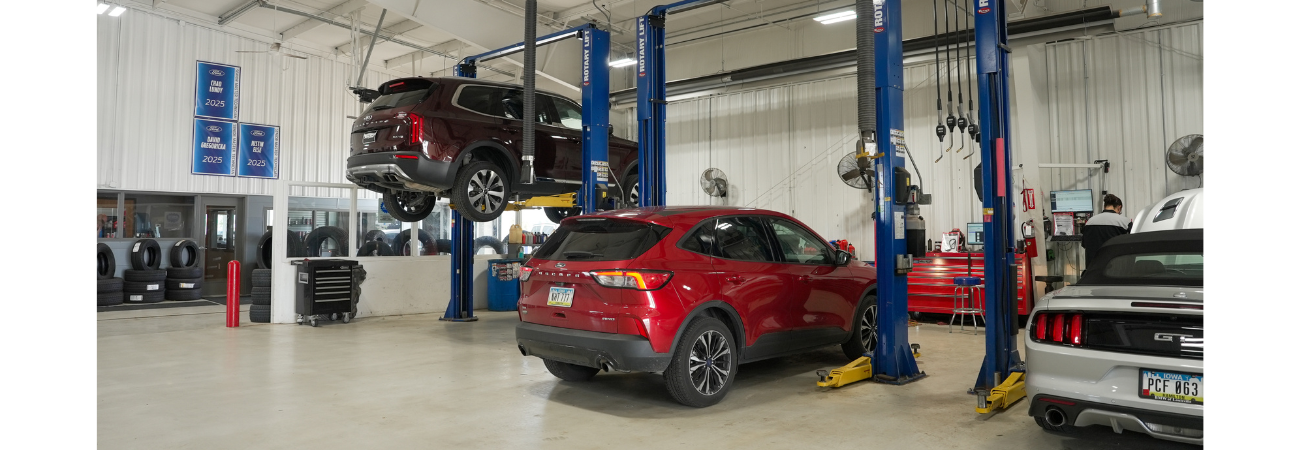
For an inspection that goes beyond a code scan, schedule a service appointment with a local Ford service center. An OBD-II scanner provides a useful starting point. The OBD-II scanner result does not identify the failed component by itself. An ignition coil, for example, should not be replaced solely because a scan suggests a related code. A trained technician can test the system that set the code instead of replacing parts based on a code description. This is the goal of professional repair.
When to stop driving and call for help
Pull over safely and shut off the engine when the light flashes or the vehicle develops serious symptoms. A flashing warning may indicate an engine misfire that can damage the catalytic converter. Urgent signs include severe shaking, stalling, loss of power, overheating, low oil pressure, smoke, burning smells, raw-fuel odors, unusual knocking, or several warning lights at once.
Continuing to drive can turn a manageable problem into a larger repair cost or mechanical failure. It can also harm the engine, exhaust system, or vehicle safety systems. Call roadside assistance or a qualified repair shop after you reach a safe location.
Auto insurance generally does not diagnose or pay for routine mechanical repairs. However, an auto insurance policy may include roadside assistance. Verify your auto insurance coverage before relying on a tow benefit.
During an Iowa winter storm, don't risk a breakdown on an icy shoulder or remote road to reach your destination. A tow is inconvenient, but it is safer than losing power far from help.
What to do after the light comes on
Use these troubleshooting steps before the details fade. Your technician will have a better starting point if you can describe what happened.
Check the dashboard for other warnings and note how the car feels. An OBD-II scanner can record any stored codes before your visit.
Inspect and tighten the gas cap after refueling. Note whether fuel economy changes afterward.
Write down when the light appeared, including weather, fuel level, and driving conditions.
Ask for the scan results and keep them with your service records. An OBD-II scanner may also preserve freeze-frame data that shows operating conditions.
Schedule a diagnostic scan and avoid clearing the code first. After repairs, use an OBD-II scanner to confirm the code is gone and the repair worked.
Disconnecting the battery or clearing the code can erase useful freeze-frame data. It may also reset emissions monitors, which can affect emissions compliance before testing or selling the vehicle. Follow your owner's manual, and seek qualified help when the cause isn't clear.
Frequently Asked Questions
Can I drive with a steady Check engine light?
A short, careful drive may be reasonable when the light is steady and the engine runs smoothly. Keep speeds moderate, avoid hard acceleration and towing, and schedule a diagnostic appointment soon.
What should I do if the Check engine light is flashing?
Reduce speed and pull over safely as soon as possible. A flashing light commonly indicates an active misfire that can damage the Catalytic converter, especially when combined with shaking, power loss, or unusual smells.
Can a loose Gas cap cause the Check engine light to come on?
Yes, a loose, damaged, or missing Gas cap can trigger an EVAP system warning, especially after refueling. Tighten the cap until it clicks and drive normally for several trips, but seek help if the light remains on or you smell raw fuel.
Does an OBD-II code identify the part that needs replacement?
Not necessarily. The code identifies a system, circuit, or condition, so related parts such as an Ignition coil, Spark plug, or Oxygen sensor still require testing before replacement.
Should I clear the Check engine light before visiting a repair shop?
No. Clearing the code or disconnecting the battery can erase freeze-frame data and reset emissions monitors. Leave the warning active so a technician can use the stored information during diagnosis.
Keep the Warning in Perspective
A steady Check engine light with normal driving behavior may allow a short, careful trip for diagnosis. A flashing light or serious symptoms mean you should stop driving as soon as it is safe.
Don't ignore the warning because the car still seems fine. Abnormal fuel economy can signal trouble, and worsening fuel economy shouldn't be dismissed. A professional scan with an OBD-II scanner can confirm the stored fault before a long trip. Prompt diagnosis can also help protect costly components, including the catalytic converter. Ignoring symptoms can contribute to a mechanical failure, so treat the Check engine light as a reminder to act before you're stranded on an Iowa road.