

F-150 Lightning: Charging, Towing, and Iowa Winter Range
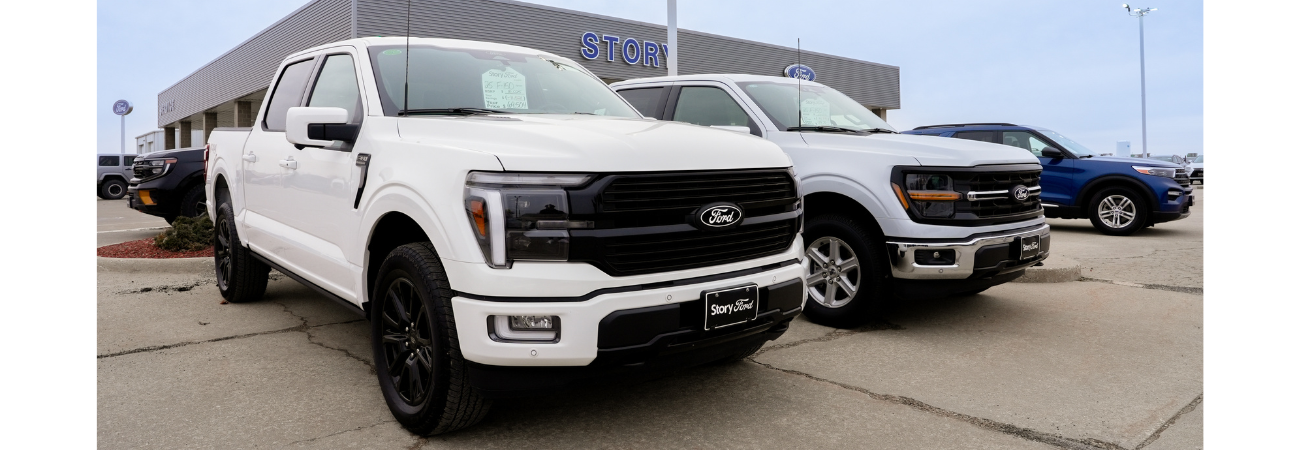
How long does charging take, how far can you tow, and what happens to range during an Iowa winter? Those questions matter more to F-150 Lightning ownership than a quick acceleration demonstration.
Your answers depend on the battery, model year, load, speed, and weather. Home charging access also shapes whether an electric vehicle fits your routine.
Start with your daily driving, then consider the longer trips and cold-weather towing days that require more planning.
Key Takeaways
The F-150 Lightning can suit Iowa commutes and daily work when reliable charging—ideally Level 2 charging at home—fits your routine.
Charging time depends on the charger, battery temperature, starting charge level, and truck configuration; advertised estimates aren't guarantees.
Towing adds weight and wind resistance, and range can drop substantially. Plan stops with a reserve and confirm chargers can accommodate your truck and trailer.
Iowa cold weather can reduce range. Preconditioning while plugged in, checking tire pressure, and leaving with extra charge can help with winter trips.
Compare the exact truck's model-year equipment, charging setup, and price against your routes, towing needs, and home-charging costs.
What F-150 Lightning Ownership Is Like for Iowa Drivers
An electric truck can fit an Iowa commute or workday well when you have a reliable place to charge. As an electric vehicle, it may suit everyday driving, but frequent towing and long rural routes deserve a closer look before you buy.
Where the Electric Pickup Fits Into Daily Work and Family Life
It delivers quick acceleration with horsepower and torque while keeping the ride quiet. Its pickup bed, roomy cabin, and trunk support everyday hauling, job-site visits, and family errands.
Available Pro Power Onboard can run compatible tools or gear at a job site, but check the equipment and output on the truck you're considering. Home backup requires compatible equipment and setup. Verify whether the specific truck supports smart power plant capabilities, and don't assume it can power an entire house.
For regular local driving, charging at home can simplify your routine. However, drivers who tow frequently or travel long distances between rural communities need dependable charging stops.
What to Check Before Buying or Test-Driving One
Compare battery options and equipment across the Pro trim, Platinum trim, and base model. Trim names and equipment can vary by model year, so review your usual routes and ask an electrician about your home's charging setup.
During a test drive, check the charging port's location and access. Explore the infotainment system and touchscreen, and confirm whether BlueCruise is equipped on that specific truck.
Ask Story Ford in Story City, Iowa, about available F-150 Lightning options. You can request a test drive appointment to evaluate the ride, seating, visibility, and controls firsthand.
F-150 Lightning Charging Time and Towing Range
Advertised range and charging estimates aren't guarantees for your truck or trip, so account for your conditions. Check the exact model-year specifications for standard range or extended range battery options; even the Platinum trim name doesn't confirm a specific battery, charging setup, or battery range.
How Long Home and Public Charging Usually Take
Charging time varies with the equipment and conditions. Common options include:
Household outlet: Charges much more slowly and may work for limited driving, but don't count on it to replenish a substantial day's use overnight.
Level 2 home charger: The practical choice for regular overnight charging. Whether a session replaces your daily energy use depends on charger output, battery temperature, and how far you've driven.
DC fast charging: Useful on longer trips. Fast chargers vary in output, and actual charging time depends on the station, the truck's charging limits, battery temperature, and starting charge level. Check connector compatibility at the charging port.
Charging also slows as the battery fills. Compare estimates for the same charging window rather than treating every advertised time as a full recharge. A charger's listed maximum output doesn't guarantee that your truck will receive that power throughout the stop.
Why Towing Can Sharply Reduce Driving Range
A trailer adds weight and wind resistance. A tall enclosed trailer can demand substantial energy at highway speeds, even when its weight stays within the truck's towing capacity and your load stays within its payload capacity.
In some conditions, towing range may be around half of unloaded range. That's a possible planning scenario, not a guaranteed result or a fixed Lightning specification.
Trailer size, speed, hills, headwinds, payload, and cold weather all affect the outcome. Plan charging stops with a reserve instead of aiming to arrive nearly empty.
Plan your route using the charging network, and check station access before towing there. A charger may require you to disconnect the trailer if its parking layout can't accommodate your combination.
Winter Habits That Help Protect Driving Range
Cold batteries and cabin heating can reduce an electric vehicle's range. Short trips can be especially demanding because you repeatedly warm the cabin without covering many miles.
For Iowa winter travel, these habits can help:
Precondition the truck while it's plugged in when possible, and warm the cabin before departure. Check the owner's manual for settings available on your model.
Use heated seats and a heated steering wheel when equipped, while keeping enough cabin heat for comfort and clear windows. Visibility always comes first.
Check tire pressure against the recommended cold-tire pressure, since temperatures affect pressure.
Reduce speed when conditions allow, since higher speeds increase energy demand.
Leave with extra charge and allow more time for stops.
Keep a larger reserve when towing, facing strong winds, or driving between widely spaced chargers.
How to Decide Whether the Lightning Suits Your Routes
The F-150 Lightning makes the most sense when your regular driving and charging access work together. Evaluate an ordinary week alongside a demanding winter or towing trip. Compare actual model-year equipment on the Pro trim, XLT trim, and Lariat trim, since trim names don't guarantee a specific feature.
Match the Truck to Your Home, Commute, and Trailer
First, confirm whether you can install Level 2 charging where you park. Have an electrician assess your electrical service, installation work, and cost. Check that the charging port and connector fit your home setup before counting on home charging.
Next, consider how often you tow and how far you travel between reliable chargers. Review charging locations along your actual trailer routes, including access and a backup stop.
During a test drive, use the roads you drive most. Check whether the truck's size, ride, and controls suit your daily tasks. Verify features such as wireless carplay and the software update process on the specific vehicle.
Compare Costs Without Assuming Savings
Electric driving can offer running-cost advantages, but your rates and charging habits determine the result. Compare your local electricity price with your current fuel spending. If considering the Platinum trim, compare its actual equipment and price rather than treating it as a blanket recommendation.
Then include public charging costs and any home installation expense. Frequent highway towing or reliance on public chargers can change that comparison.
Convenience matters, too. Overnight charging may suit a predictable commute, while repeated rural trips require more attention to charging availability and stop timing.
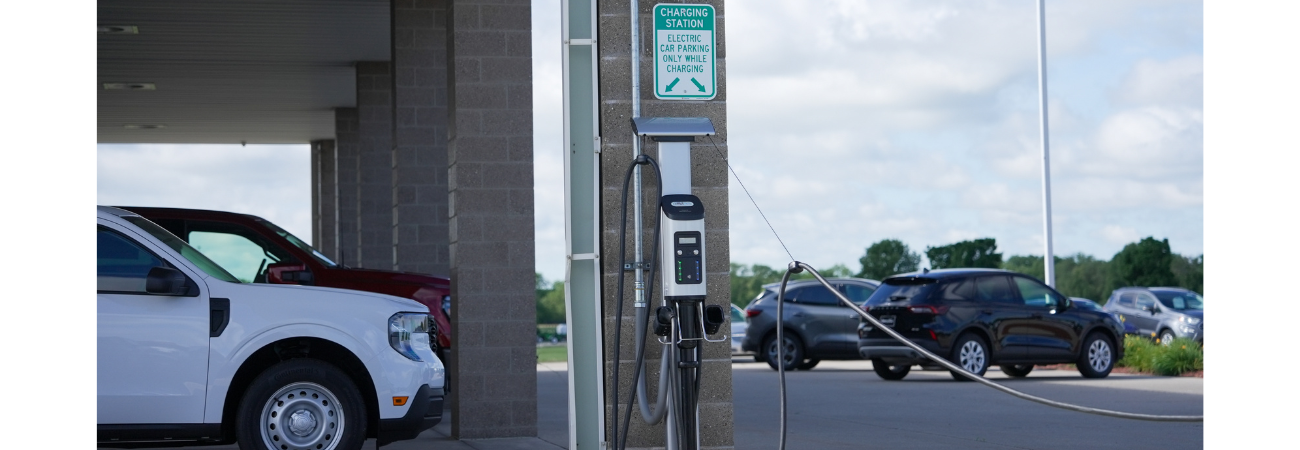
Frequently Asked Questions
How long does it take to charge an F-150 Lightning at home?
It depends on the charging equipment, battery temperature, and how much energy you need to add. A Level 2 home charger is generally the practical choice for regular overnight charging, but check the specific truck and charger specifications.
How much range does the F-150 Lightning lose when towing?
The amount varies with trailer size, speed, hills, wind, payload, and weather. In some conditions, towing range may be around half of unloaded range, so treat that as a planning scenario rather than a guaranteed figure.
How does Iowa winter weather affect F-150 Lightning range?
Cold batteries and cabin heating can reduce range, particularly on short trips. Preconditioning while plugged in, checking cold tire pressure, and allowing extra charge and time for stops can help with winter travel.
Is the F-150 Lightning a good choice for rural Iowa driving?
It can work well if dependable chargers are available along your regular routes and you can charge conveniently at home. Check station access and backup options before long trips, especially when towing.
What should I check before buying an F-150 Lightning?
Confirm the specific truck's model year, battery, equipment, charging compatibility, and features, since trim names don't guarantee a particular configuration. Also consider a home-charging assessment and compare your usual routes with demanding winter or towing trips.
Choose Around Your Real Driving Needs
The F-150 Lightning can work well for many Iowa drivers when home charging and regular routes fit their needs. The strongest ownership decision starts with your actual weekly driving.
Towing and winter weather call for extra range reserves and dependable charging stops. Explore available options with Story Ford. Compare the exact truck's equipment, including a Platinum trim configuration if relevant, with your work and travel needs.