
F-150 vs. Super Duty for Real Work: Payload, Towing, Ride, and Costs
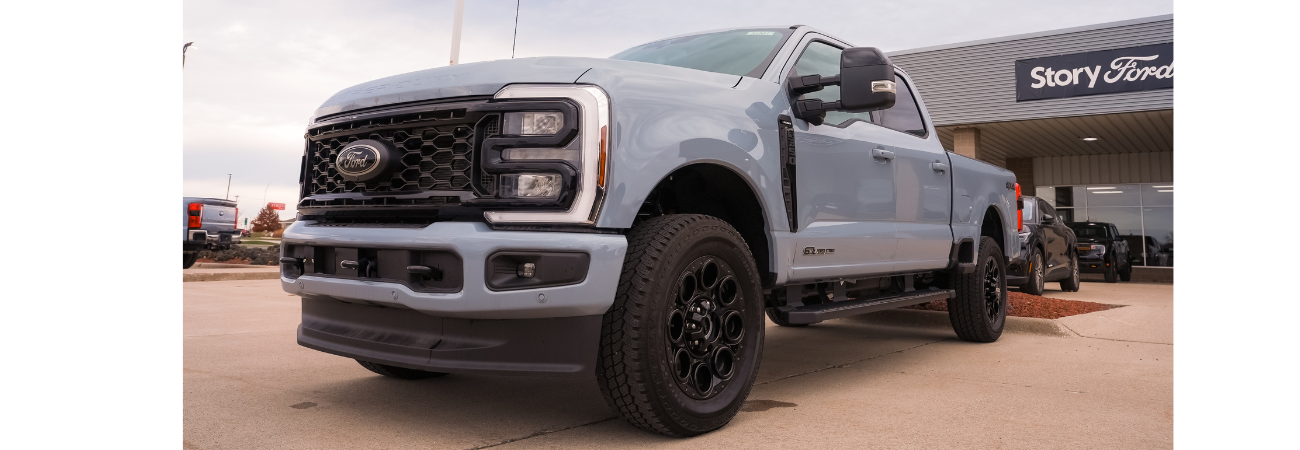
Buying a truck in Story City, Iowa isn’t about looks, it’s about what you ask it to do. Maybe you’ve got farm chores, a jobsite run, or winter roads that punish lighter rigs. Both are Ford Trucks, but the F-150 and Super Duty are built for different loads and different routines.
This guide keeps it simple and real. You’ll see how payload, towing, ride comfort, and total ownership costs feel in day-to-day use, so you can choose with confidence.
Start with your work day, what you carry, what you pull, and how often
The fastest way to pick the right truck is to write down your heaviest “normal” week. Not the once-a-year trip, the stuff you do regularly.
Think in three buckets:
Heaviest regular payload: people, tools, fuel cans, a salt spreader, a topper, or skid steer attachments.
Heaviest trailer you actually tow: equipment trailer, livestock trailer, camper, dump trailer, or gooseneck.
How many days per week you run that heavy.
One catch: “max” numbers change with cab, bed, engine, axle ratio, and options. For payload, check the door jamb sticker on the exact truck. For towing, use the Ford towing guide for that exact build.
A simple rule of thumb that keeps you out of trouble
If you tow heavy a few times a year, an F-150 can be plenty. If you tow heavy weekly, or you carry a lot in the bed every day, a Super Duty usually makes life easier. Also plan for growth, a bigger trailer, more gear, or even a bigger family in the cab.
Payload and towing, where the Super Duty earns its paycheck
In real work terms, Super Duty strength shows up in how the truck behaves, not just what it “can” do. Under load, it tends to feel more stable, with less squat in the rear, less sway, and more confidence in braking. The heavier-duty cooling and running gear also matter when you’re pulling hard in summer or pushing through Iowa winter slop.
Payload is more than “bed weight.” It includes passengers, tools in the cab, and the hitch load from the trailer. Towing is the same story: trailer weight is only one piece, because tongue weight (or gooseneck pin weight) eats payload fast. That’s why an F-150 can hit its limits sooner with a loaded equipment trailer, livestock trailer, or camper, even when the tow rating looks fine on paper.
Quick safety note: stay under GVWR and your front and rear axle ratings, not just the tow rating.
Why hitch weight matters as much as the trailer rating
Easy math: a 10,000 lb bumper-pull trailer can put about 1,000 to 1,500 lb on the hitch. Add two adults, a couple kids, and tools, and some F-150 builds run out of payload before they run out of tow rating. That’s where Super Duty headroom can save stress.
Ride, daily comfort, and parking, what it is like to live with each truck
Most shoppers around Ames, Boone, and Des Moines notice this first. An F-150 usually rides smoother when empty, feels easier in tight parking lots, and can be quieter on commutes. A Super Duty often rides stiffer with an empty bed, but it settles down and feels calmer when it’s loaded or towing.
Both can be comfortable, but tow-focused features matter: tow mirrors, an integrated trailer brake controller, and camera views that help when you’re hooking up alone.
If you drive empty most days, comfort can be your biggest cost saver
Less bounce and less effort in town can mean less fatigue, fewer three-point turns, and fewer parking headaches. If the truck is also your errand runner and family hauler, the “easy to live with” choice can pay you back every week.
The real cost, purchase price, fuel, tires, maintenance, and resale
Total cost isn’t one number, it’s a stack of choices. Super Duty models often cost more up front, and financing, insurance, and registration can follow. Fuel use depends on engine and workload, but heavier trucks usually drink more when you’re not using their capacity. Tires, brakes, and some service parts can also cost more on heavy-duty setups.
On the flip side, if your work is truly heavy, Super Duty durability can make sense long term. Resale is another factor, heavy-duty trucks often hold value well when they’re maintained and not abused.
If you’re near Story City, Nevada, or Webster City, talk with Story City Ford about your trailer and payload needs and compare builds side by side.
Conclusion
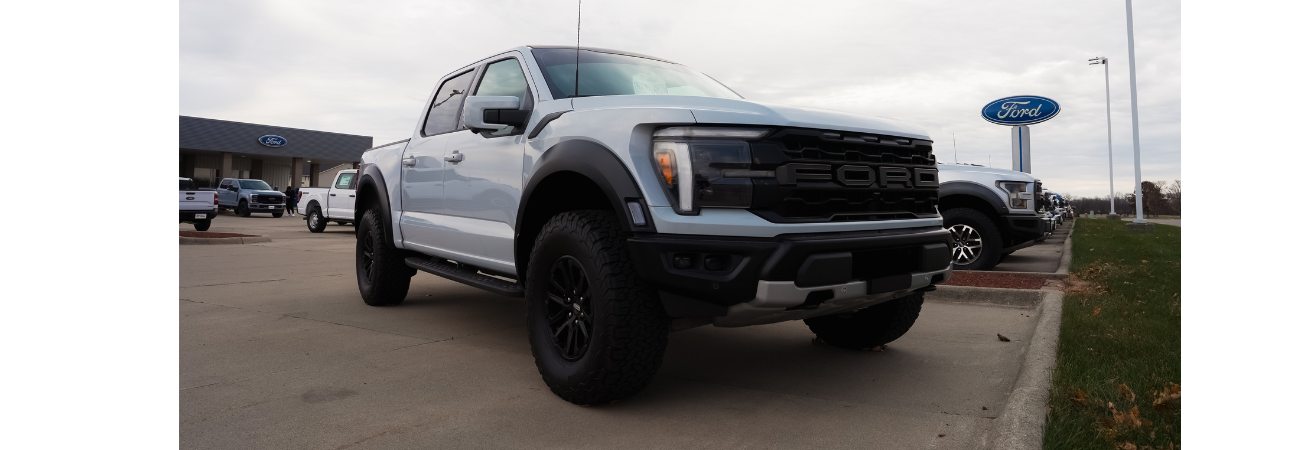
Choose an F-150 if you want a strong all-around truck with better daily comfort and easier parking. Choose a Super Duty if heavy payload or towing is a regular part of the week and you want more control under load. Bring your trailer details (GVWR, hitch type, and a realistic loaded weight) to Story City Ford for a quick tow and payload match on the exact truck you’re considering. Next step: schedule a test drive with your route in mind.