

Ford Maverick vs. Ranger for Iowa Drivers: Daily Comfort or Weekend Muscle?
Buying a pickup in Iowa isn’t just about horsepower bragging rights. It’s about real life. Short commutes to work, tight parking at the grocery store, and those gravel backroads that rattle your coffee cup. Then Friday hits and you’re loading up for the lake, a trailhead, or a run to the farm store for feed and fencing.
If you’re weighing Ford Maverick vs. Ford Ranger and you live around central Iowa, you’re not alone. Iowa Truck drivers near Story City ask the same question all the time: which one fits Monday through Friday, and still shows up strong on the weekend?
This guide keeps it simple. No spec-sheet overload, just what these trucks feel like to own, drive, park, and depend on in Iowa weather.
Daily life in Iowa: commuting, parking, gas costs, and comfort
Most trucks spend more time doing “normal” things than “truck” things. Think school drop-off, a quick stop at the jobsite, and a grocery run where the parking spots feel like they were painted for compact cars.
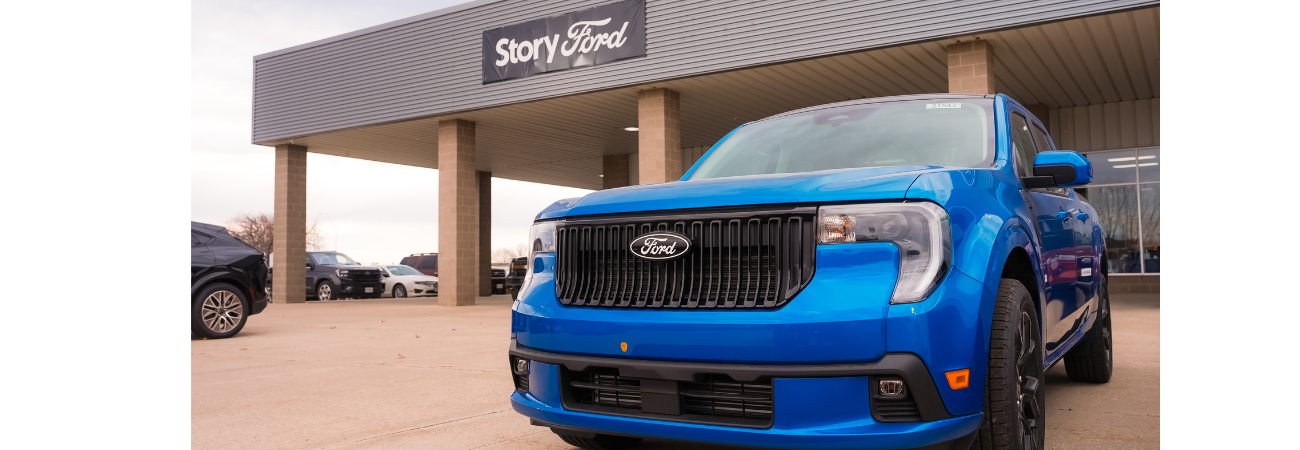
The Ford Maverick fits that rhythm naturally. It drives more like a practical daily vehicle, not a big rig. In town, it feels easy to place in a lane and easy to tuck into a parking space. If you’re in and out of Des Moines, Ames, or smaller main streets where angled parking gets tight fast, that matters. You also tend to feel less of that “I’m taking up the whole lot” stress.
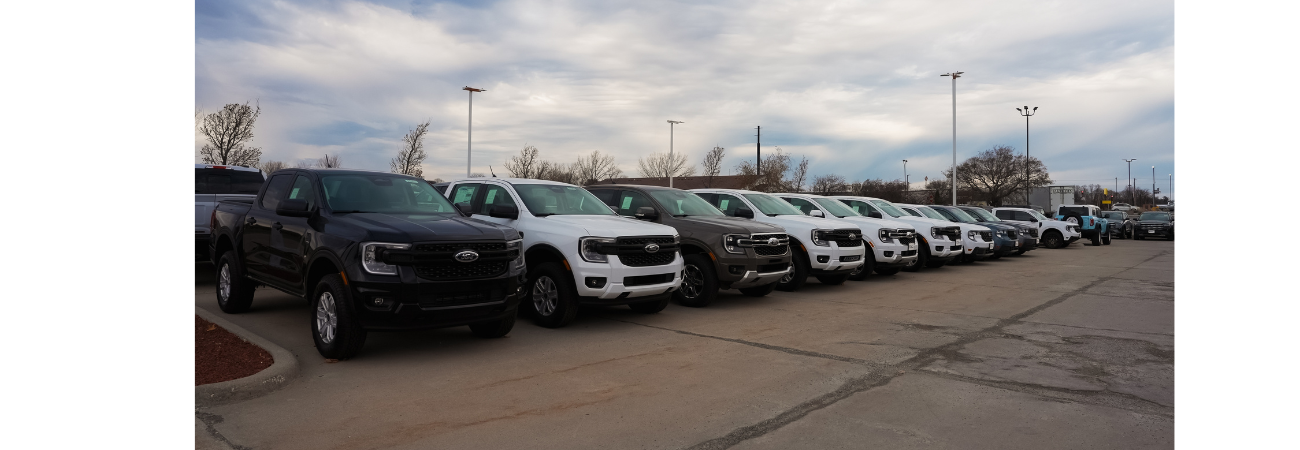
The Ford Ranger feels more like a traditional pickup, because it is one. You sit higher, the body feels bigger around you, and it tends to feel more solid on open roads. If your weekdays include longer highway stretches, frequent wind, or you’re regularly carrying heavier gear, that extra truck feel can be calming. It’s like wearing work boots instead of sneakers. Not as light on your feet, but ready for more.
Ownership costs are part of daily life too. Fuel spend, tires, and maintenance add up over a year of Iowa miles. The Maverick often appeals to drivers who want a pickup bed without signing up for big-truck running costs. The Ranger asks for a bit more at the pump, but gives back capability and confidence when you use it.
Maverick strengths for city driving and small town errands
The Maverick’s best trait is how little work it takes to live with it. Steering feels quick, parking feels simpler, and it’s less likely to feel awkward in a typical garage.
A few everyday wins Iowa drivers notice:
It’s easier to judge corners and parking lines, especially in busy lots.
It feels less tiring in stop-and-go traffic.
It has real pickup usefulness for weekend projects, like hauling bags of mulch, lumber for a small build, or a load of boxes during a move.
Fuel savings can be a big deal here, especially if you’re doing a lot of commuting. If you’re drawn to the Maverick Hybrid, you’re usually doing it for one reason: fewer gas station stops, more money left for the weekend.
Where the Maverick can feel limited is when “occasional” turns into “often.” If your daily load is heavy, or your trailer gets bigger every year, you may start wishing for more headroom.
Ranger strengths for longer drives and tougher daily work
The Ranger tends to feel more planted when miles stack up. On highways outside town, in crosswinds, and on rougher pavement, that sturdier feel can make the drive less fussy.
It also suits drivers whose “normal” week includes truck tasks:
More confident towing feel, especially with heavier trailers
A higher stance that helps with visibility in traffic and snow
Available 4x4 that’s useful when winter routes get sloppy
The tradeoffs are real. The Ranger’s larger footprint can mean more parking effort and more three-point turns in tight places. Fuel use is usually higher, and tires and other wear items can cost more over time. If most weekdays are errands and commuting, the Ranger can feel like carrying a heavy backpack when you only need a small bag.
Weekend plans test: towing, hauling, off-road paths, and Iowa weather
Weekends in Iowa can change fast. One Saturday is sunshine and a clean drive to the lake. The next is a muddy access road, a surprise cold front, and a parking lot that turns into ruts by noon.
Both trucks can handle weekend life, but they do it differently.
The Maverick is the “grab the gear and go” truck. It’s great when your weekend load is reasonable: camping supplies, coolers, bikes, small furniture pickups, and home project materials. You still get a bed for dirty stuff, so you don’t have to toss muddy boots next to your kids’ backpacks.
The Ranger is the “bring more and worry less” truck. It fits drivers who tow often, haul heavier loads, or drive into rougher spots on purpose. If you hunt, fish, or camp in places where the road is more suggestion than paved surface, the Ranger’s extra ground clearance and available 4x4 can keep the trip fun instead of stressful.
If you tow a boat, small camper, or utility trailer
Here’s a simple way to decide: match the truck to the heaviest thing you actually tow, not what you might tow someday.
Common Iowa weekend towing examples:
Small utility trailer for furniture or ATVs: The Maverick can be enough if your loads stay modest and towing is occasional.
Small fishing boat: The Maverick can work for some setups, but the Ranger often feels steadier, especially on highways and in windy conditions.
Small camper: If you’re towing regularly or the camper is on the heavier side, the Ranger is usually the safer, less stressful pick.
Also think about frequency. Towing once a month feels different than towing every weekend. The more often you tow, the more you’ll appreciate the Ranger’s stable braking feel and “built for it” confidence.
Before you commit, check two things every time: the door jamb payload sticker on the truck you’re shopping for and the trailer’s real weight (not just the brochure number). Many towing regrets start with skipped math.
If your weekends mean gravel roads, snow, and muddy parking lots
Iowa roads aren’t always roads. Gravel can washboard, snow can drift, and spring thaws can turn a simple parking area into a soft mess.
The Maverick can handle winter driving well with the right tires and smart driving, especially if your routes are mostly plowed roads and maintained gravel.
The Ranger shines when conditions get worse: deeper snow, rutted access paths, and muddy lots after a rain.
If your weekends include rural routes in January, 4x4 matters. Ground clearance matters too, because high-centered vehicles don’t care how good your tires are.
A few practical habits help with either truck:
Keep a small shovel in the bed.
Carry a tow strap.
Buy good all-terrain tires when your factory set wears out.
Driver skill matters as much as drivetrain. Smooth throttle, good following distance, and knowing when to turn around beats “sending it” every time.
Which one should you buy: fast picks by lifestyle and budget
If you’re stuck, don’t overthink it. Choose the truck that matches your most common week, then make sure it can handle your biggest weekend.
Quick buyer profiles:
Commuter plus weekend DIY: Maverick fits if you mainly haul home project supplies and light gear.
Light tow family: Maverick can work if your trailer is truly small and trips are occasional, Ranger if you tow often.
Outdoors every weekend: Ranger usually wins if you hit rough access roads and unpredictable weather.
Work-focused: Ranger fits better if you carry heavy tools, tow regularly, or need 4x4 confidence.
Before you test drive, ask yourself:
What’s my heaviest trailer, loaded, with water and gear?
What’s the worst road I drive each month?
Do I park in tight lots daily?
Am I trying to save on fuel, or buy more capability?
Drive both if you can. Numbers are helpful, but the steering feel, visibility, and daily comfort tell the truth fast.
Choose the Maverick if you want a pickup that drives like a smart daily car
Daily commuting is your main use case
You park in tighter spaces often
Lower fuel costs matter to your monthly budget
You haul light to moderate loads for home projects
Towing is occasional and on the lighter side
You’re a first-time truck buyer who wants it easy
Compromises to accept: less towing headroom, a smaller feel for tall adults in back seats (depending on how you set it up), and it’s not the best pick for repeated heavy work.
Choose the Ranger if your plans include heavier towing, rougher roads, or more truck feel
You tow regularly, or your trailer is on the heavier side
You carry heavier loads more often
Winter and rural roads are part of your routine
You want confident 4x4 capability
You drive long highway miles and want a steadier feel
Compromises to accept: higher running costs, a bigger footprint in town, and it won’t feel as nimble in tight parking lots.
Conclusion
If your Iowa life is mostly commuting, errands, and light-duty weekends, the Maverick is hard to beat. It’s easy to live with, easy to park, and still brings real pickup usefulness when Saturday projects show up. If your routine includes heavier towing, rougher access roads, and more serious winter driving, the Ranger earns its spot with stronger truck confidence.
Think about your heaviest trailer, your roughest road, and your most common drive. The best choice is the one that matches what you actually do in Iowa, not what you hope you’ll do someday.