

Ford Mustang Mach-E vs. Gas SUV: A Family Cost Guide
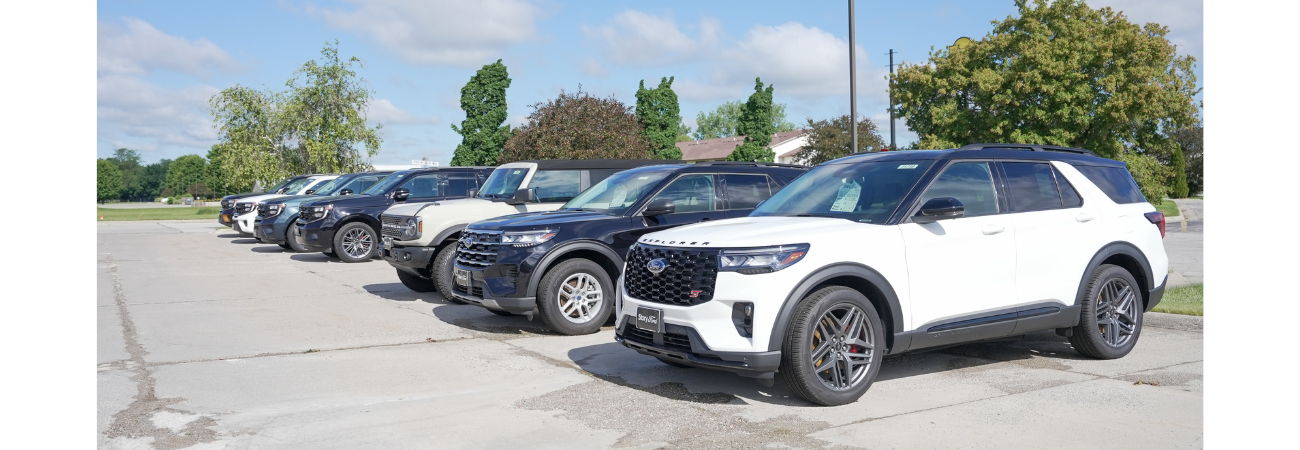
Families shopping near a dealership often face a familiar choice: try an electric crossover or stick with a gas SUV. A Ford Mustang Mach-E vs. gas SUV comparison should go beyond the window sticker and focus on how your family actually drives.
Monthly payments matter, but so do charging access, fuel costs, range, space, and road-trip habits. The Mach-E is an electric compact SUV and a Tesla Model Y competitor, while the Hyundai Ioniq 5 is another option for families comparing EVs. The right choice depends on your budget and routine, not a one-size-fits-all answer.
Key Takeaways
Compare the Ford Mustang Mach-E with a similarly equipped gas SUV, including trim, drivetrain, battery, features, financing, and out-the-door price.
The Mach-E may cost less to operate over time through home charging and reduced routine service, but frequent public charging can narrow the savings.
The Mach-E fits families with reliable charging, mostly local driving, and moderate cargo needs; it is not a three-row SUV.
A gas SUV may be the better choice for quick refueling, frequent long trips, towing, larger cargo needs, or the lowest possible upfront price.
Test-drive both vehicles with your family’s car seats, stroller, sports gear, and other regular cargo before deciding.
Ford Mustang Mach-E vs. gas SUV comparison: what will each one cost?
A fair comparison starts with similar vehicles. Compare vehicle trim levels, equipment, drivetrain, battery choice, and performance, not base MSRP alone. Match the Mach-E with a gas SUV that offers similar seating, features, and capability. A rear-wheel-drive model should be compared with a similar gas SUV, while an all-wheel-drive configuration deserves an equivalent drivetrain.
An extended-range battery can change the Mach-E's price, range, and value compared with a standard-range battery. Also compare zero to sixty mph times, horsepower and torque, and available equipment. A similarly equipped Hyundai Ioniq 5 can provide another useful EV benchmark.
Check current local 2026 listings, incentives, financing rates, and lease offers before making a decision. Confirm which Mach-E trims and packages are available, since not every dealership offers every configuration. The Mach-E may carry a higher upfront price in some trims, yet electricity and routine service can cost less over time. Meanwhile, a gas SUV may have a lower entry price and offer familiar refueling on long drives.
Purchase price, financing, leasing, and available incentives
The final deal changes with trim level, destination charges, dealer discounts, interest rate, down payment, trade-in value, and taxes. Higher-performance options, such as the Mustang Mach-E GT, a Performance Upgrade, or the Mach-E Rally, may have different pricing and equipment. Verify their availability in current 2026 listings.
For leases, mileage limits, residual value, and the money factor also affect the payment. Federal, state, utility, or local EV incentives may help some buyers, although eligibility rules and program availability can change. Don't assume every Mach-E buyer qualifies for a credit.
Compare the actual out-the-door price and monthly payment for both vehicles. Include the Hyundai Ioniq 5 when reviewing comparable listings and incentives. You can also explore Ford vehicle financing to see how loan terms and down payments shape the numbers.
Fuel, charging, maintenance, and insurance savings
Use your own annual mileage to estimate five-year ownership costs. Compare fuel economy and MPGe using local gas prices, home electricity rates, public charging rates, and each vehicle's efficiency. Apply the same annual mileage to the Mach-E, the gas SUV, and comparable models such as the Hyundai Ioniq 5.
Home charging is often the lowest-cost route. However, frequent public charging and use of DC fast-charging capability can narrow the savings. The Mach-E also skips oil changes and many engine-related service items, though it still needs tires, brake service, insurance, registration, occasional repairs, and a powertrain warranty comparison. Fast charging is convenient for travel, but home charging has the biggest effect on an EV family's operating budget.
How the Mach-E and a gas SUV fit a busy family
The Mustang Mach-E is a five-seat electric crossover. It isn't a three-row SUV, so families who need regular third-row seating should compare gas SUVs or larger electric options instead.
For many households, the decision comes down to school runs, grocery trips, sports equipment, pets, and weekend plans. The Mach-E's lower, car-like shape can feel easy to park and handle in crowded lots. Some gas SUVs provide a taller seating position and more upright cargo space.
The Mach-E can also offer driver-assistance technology for everyday driving. BlueCruise hands-free driving may be available on certain models, but it isn't autonomous driving. Check availability, driver-attention rules, road conditions, and subscription or eligibility requirements for the specific model year.
Space, school runs, and everyday driving
Check rear-seat legroom, door openings, and child-seat access in person. Bring your actual car seats if possible. A display vehicle can look roomy until a rear-facing seat changes the front passenger's space.
Pay attention to interior comfort and cargo during the test drive. Compare seating, storage, and loading height with other electric crossovers, including the Hyundai Ioniq 5.
The Mach-E's rear cargo capacity handles daily groceries and many family bags. Its front trunk adds a separate place for charging cables or smaller items. Underfloor storage can help keep loose gear out of sight.
Still, a taller gas SUV may work better for a large stroller, dog crate, bulky sports gear, or frequent hauling. Test trunk access with the items your family uses every week.
Road trips, winter weather, and charging access
Check the EPA estimated range for the exact trim, drivetrain, and battery. A standard-range battery may suit shorter daily trips, while an extended-range battery can better fit frequent longer drives.
A gas SUV refuels in minutes at thousands of stations. The Mach-E needs more route planning on longer trips, including charging stops that fit your travel schedule. Compare public charging access with another EV, such as the Hyundai Ioniq 5, and consider station reliability along your usual routes.
Home charging makes daily EV ownership far easier. Families in apartments, condos, or homes without reliable charging should investigate access before choosing an electric vehicle. Workplace charging can also change the equation.
Cold weather reduces EV range, and roof racks or heavy luggage add demand. The Mach-E's available all-wheel-drive configuration can help with winter traction, but it won't eliminate cold-weather range loss. Frequent remote travel, heavy towing, or unpredictable long drives may still favor a gas SUV.
Which family should buy the Mach-E, and which should choose a gas SUV?
A Ford Mustang Mach-E vs. gas SUV comparison points toward the Mach-E for families who drive mostly around town, can charge at home, and enjoy instant acceleration. It also makes sense for buyers who plan to keep their vehicle long enough for lower energy and routine service costs to matter.
Shoppers prioritizing stronger performance may consider the Mustang Mach-E GT. However, that performance-focused trim can affect price, range, tire costs, and insurance. It isn't the default family choice.
A gas SUV may fit better if reliable charging isn't available, long road trips are common, or towing and maximum cargo capacity top the list. It can also be the practical choice for shoppers who need the lowest possible upfront price.
Neither option is a compromise by default. Each fits a different household pattern.
A quick dealership checklist before you decide
Before you purchase or lease, take a family-focused approach:
Test-drive both vehicles on roads you use regularly.
Bring car seats, a stroller, or other must-fit cargo.
Confirm your home charging installation options and electricity rate.
Request pricing and range information for both the extended-range battery and standard-range battery.
If it's on your shortlist, include the Hyundai Ioniq 5 in your EV comparison.
Request insurance quotes for both vehicles.
Compare purchase and lease offers, electrical components warranty coverage, and the powertrain coverage discussed earlier.
Review complete out-the-door prices for each option.
You can compare available Mach-E and gas SUV options with the dealership, then choose the payment and vehicle that fit your household. If the trim you want isn't in stock, you can also place a factory order for a Mach-E.
Frequently Asked Questions
Is the Ford Mustang Mach-E cheaper to own than a gas SUV?
It can be, especially for families that charge at home and drive enough miles for lower energy and routine service costs to add up. Compare local electricity and gas prices, insurance, maintenance, financing, and purchase price for a clearer five-year estimate.
Is the Mustang Mach-E large enough for a family?
The Mach-E has five seats and can handle many school, grocery, and weekend trips. Families with a third-row requirement, large dog crate, bulky stroller, or frequent heavy cargo may find a taller or larger SUV more practical.
Does the Mach-E work for road trips and winter driving?
The Mach-E can handle road trips with route planning and reliable charging access, but charging stops take longer than a gas refueling stop. Cold weather, heavy luggage, and roof racks can reduce range, so check the exact trim’s EPA estimate and your usual routes.
Should I choose a standard-range or extended-range Mach-E battery?
A standard-range battery may be sufficient for shorter daily driving and regular home charging. An extended-range battery can provide additional flexibility for longer trips, but compare its price, range, equipment, and available local offers.
What should I compare before buying or leasing?
Review the complete out-the-door price, monthly payment, incentives, insurance, warranty coverage, charging costs, and expected maintenance. Also test rear-seat access and cargo space with your actual car seats and family gear.

Choose the Vehicle That Fits Your Routine
The Mach-E can be an excellent family vehicle when home charging, daily range, quiet driving, and lower routine service costs matter most. A gas SUV remains a strong choice for quick refueling, flexible road trips, lower entry pricing, or greater utility.
If you're also considering an electric crossover such as the Hyundai Ioniq 5, use the same routine-based evaluation. Compare real local offers instead of relying on estimates alone. A test drive with your family gear will show more than a spec sheet ever can.
Whether you purchase or lease a Mach-E or a gas SUV, the best choice is the one that fits your budget, space needs, and daily routine.