

Ford Trim Levels: How to Pick the Right One Without Paying for Extras
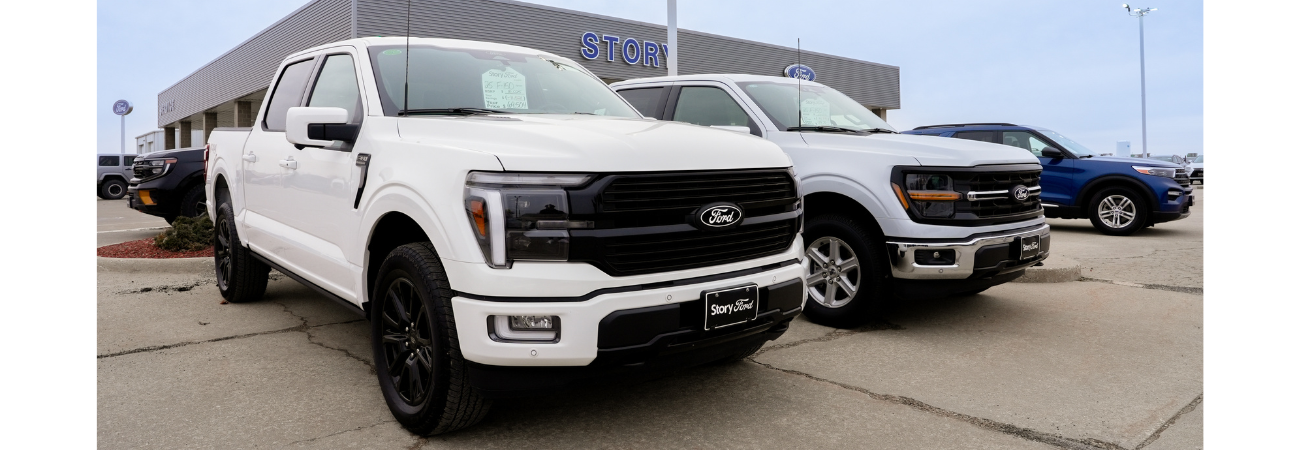
One Ford can wear a lot of badges, and the price can climb fast. That is where many shoppers get stuck. You want the right vehicle, but you do not want to pay thousands more for features that will sit there untouched.
A simple rule helps: start with your life, not the trim name. In most Ford trim levels, the base trim covers the basics, the middle trims add comfort and convenience, and the top trims add luxury, off-road gear, or extra performance. For shoppers in Story City, Iowa, that means you can walk into Story Ford feeling calm, clear, and ready to choose.
Start with how you really drive, not with the trim names
List your non-negotiables before you test drive
Before you compare XL, XLT, Lariat, Platinum, Tremor, or Raptor, write down what you truly need. Keep it simple. How much passenger space do you need each week? Do you tow often? Do gravel roads, snow, and icy mornings matter more than fancy cabin trim? How much fuel use can you live with?
Then look at the daily details. Safety tech, seat material, phone connectivity, and visibility matter more than most appearance packages. Heated seats may be a must in Iowa. Leather may not be. A bigger screen may sound nice, but wireless phone pairing might be the feature you use every day.
Split your list into two groups: must-haves and nice-to-haves. That one move saves money because it keeps you from shopping with your eyes instead of your routine. A truck or SUV should fit your week, not your mood on a Saturday test drive.
If a feature will not change your week, it should not change your payment.
That same idea shows up in this guide to choosing the right trim level without overpaying, and it is good advice no matter what you drive.
Set a real monthly budget, then leave room for taxes and add-ons
Trim shopping gets expensive when you only watch the sticker price. A jump from one trim to the next can look manageable on paper, but taxes, fees, option packages, and add-ons can turn a small bump into a much higher payment.
Set your ceiling first. Then shop below it. That leaves room for the real-world costs that show up later.
Often, the smart move is a lower trim with one useful package. For example, a practical truck with the tow package or winter features you need can make more sense than a fully loaded model with a moonroof, premium audio, and upscale trim you will rarely notice after month two.
A simple way to compare Ford trim levels without getting lost
Most Ford lineups follow the same pattern. Base trims focus on value and core function. Mid trims add the comfort most people want. Top trims are for buyers who will truly use the premium or specialty hardware.
Base trims are better than many shoppers think
A lot of shoppers still picture base trims as bare-bones work trucks. That is outdated. The 2026 Ford F-150 XL starts around $39,330, and it already includes a 12-inch touchscreen, smartphone connectivity, LED lighting, and key driver-assist features. For many drivers, that covers the stuff that matters.
That makes base trims a strong fit for budget-minded buyers, work use, or anyone who cares more about payload, towing, and durability than stitched leather. If your truck will spend more time hauling supplies than impressing neighbors, the lower trim may be the right trim.
For a second look at current pricing and trim content, Car and Driver's 2026 F-150 trim comparison is a useful cross-check.
Mid trims often hit the sweet spot for everyday buyers
This is where a lot of smart money lands. On the 2026 F-150, STX starts around $41,855 and XLT around $44,695. Those trims usually add better interior materials, more convenience features, and styling upgrades without the huge jump to Lariat, which starts around $59,560.
That gap matters. A mid-trim truck often feels nicer every day, yet it still stays grounded in value. The same pattern shows up across Ford SUVs. In the 2026 Explorer lineup, lower and middle trims like Active and ST-Line cover what many families want, while upper trims push toward luxury, speed, or off-road use.
So if you want the best balance, look hardest at the middle of the lineup, not the top.
Top trims make sense only when you will use what they add
Higher trims are not bad deals. They are bad deals for the wrong buyer.
A Tremor or Raptor makes sense if you will use the off-road hardware. On the 2026 F-150, Tremor starts around $64,915 and Raptor around $79,005. Platinum and King Ranch buyers may love the richer interior, upgraded seating, and long-drive comfort. Those things matter if you spend hours on the road each week.
Still, if features like heated rear seats, panoramic glass, ambient lighting, or hands-free driving will not change your routine, skipping them can save thousands.
Use a quick yes or no test before you move up a trim
Ask yourself three questions before paying more
When a higher trim looks tempting, pause and run this quick test:
Will I use this feature every week?
Does it solve a real problem in my daily driving?
Would I miss it after six months?
This test works because it cuts through showroom excitement. Premium audio is fun, but will you pay for it every month and still care by winter? A panoramic roof looks great, but will it matter more than lower payments? Off-road gear sounds exciting, yet it is wasted money if your truck never leaves paved roads.
If most of the added features get a "no," the lower trim is probably the better buy.
Take two trims on the same drive and let the differences prove their value
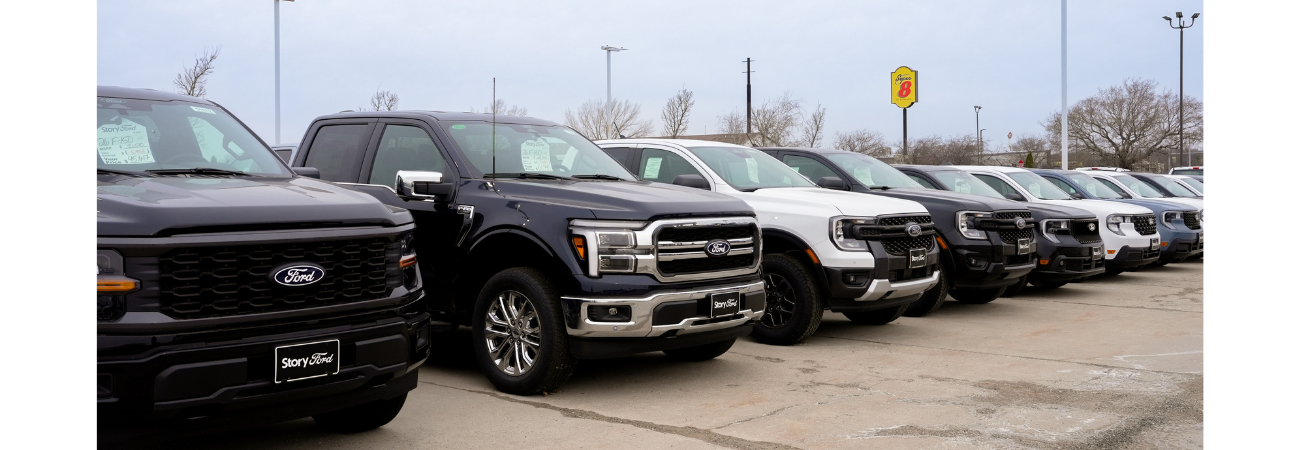
Do not assume the higher trim is better for you. Drive two close trims back to back. That side-by-side test tells the truth fast.
Pay attention to seat comfort, visibility, screen ease, cabin noise, and how relaxed the vehicle feels on a rough Iowa road. Notice whether the upgrade changes your drive or simply changes the brochure.
If you want a local place to compare without guessing, you can explore 2026 F-150 trim options in Story City and narrow the list before you buy. That makes it easier to walk into Story Ford with the right questions and the confidence to stick to what fits.
Picking the right trim is usually less about getting more and more about paying for the right things once. Start with your needs, compare base, mid, and top trims honestly, and use the yes or no test before you spend more.
Many shoppers end up happiest with practical Ford trim levels that match real life. Around Story City, that means you can ask questions, compare trims, and leave Story Ford feeling good about a vehicle that fits both your budget and your daily drive.