

Gap Insurance and Extended Warranty, When They Pay Off and When They Don't
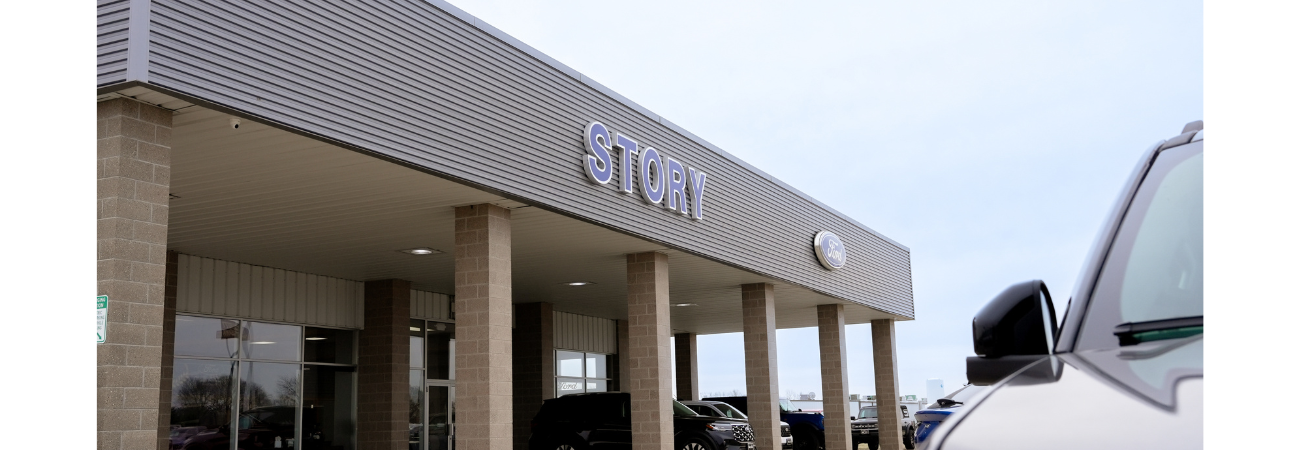
Buying a vehicle in Story City should feel exciting, not like you're bracing for a surprise bill a few months later. Two add-ons often come up in the finance office, gap insurance and an extended warranty, and they protect against two different problems.
Gap insurance helps if your vehicle is totaled and you still owe more than it's worth. An extended warranty helps with certain covered repair bills after the factory warranty ends. The key is simple: these products can be worth adding, but only when they match the risk in your deal.
Gap insurance pays off when your loan is bigger than your car's value
Gap insurance covers the difference between your insurance payout and your loan balance after a total loss. That matters because new cars lose value fast, often about 20% in the first year. So if you finance most of the price, the loan can stay higher than the car's value for a while.
In 2026, gap coverage often adds about $20 to $400 per year, depending on where you buy it and your policy. Iowa pricing can sit near the lower end when you add it through your insurer. That price can make sense when the gap risk is real. A few hundred dollars a year is small compared with owing thousands after a total loss.
The buyers who get the most value from gap insurance
Gap insurance usually makes the most sense for buyers who are most likely to be upside down on the loan. That includes new car buyers, leases, loans longer than 60 months, little or no down payment, and trade-ins with negative equity rolled into the next loan.
High-mileage drivers can also benefit. If you pile on miles early, depreciation can move faster than your loan payoff.
Here is the money math in plain terms. If you owe $30,000 and your car is worth $25,000 when it's totaled, your auto insurer pays the car's actual cash value, not the loan balance. Without gap coverage, you'd still owe the lender $5,000, plus possibly a deductible.
Gap insurance is strongest early in a loan, when depreciation is moving faster than your payoff schedule.
If you're still comparing loan options, the terms matter as much as the add-on. A longer loan can lower the monthly payment but keep you underwater longer. Buyers looking at car financing at Story Ford should ask for the full loan structure, not only the payment.
When gap insurance probably is not worth adding
Gap insurance often isn't worth it when you've already built equity. A 20% down payment, a short loan term, or a strong trade value can shrink the risk fast. The same goes for buyers near the end of the loan or owners who paid cash.
It also helps to know what gap insurance does not cover. It usually won't pay for repairs, missed payments, late fees, or custom parts. Some policies also don't cover your deductible.
Before you buy it, compare your loan balance with the vehicle's actual cash value. If the gap is small or gone, the coverage may not pay off.
Extended warranties can be smart, but only if the repair risk is real
An extended warranty is usually a vehicle service contract that starts after the factory warranty ends. The basic idea is simple. You pay now so a covered repair doesn't hit you all at once later.
Coverage varies a lot. Some plans focus on the powertrain, which means the engine, transmission, and drive components. Others cover far more, including electrical systems, air conditioning, suspension, towing, and rental benefits. If you want a local example of what factory-backed coverage can look like, Ford Protect Extended Service Plans show how broad some plans can be.
Cost matters here. Many plans in 2026 run about $40 to $150 per month, or roughly $2,500 to $3,500 over the life of the contract. National pricing in USA Today's car warranty cost guide lines up with that range. So the real question is whether the plan costs less than the repair risk you're trying to avoid.
When an extended warranty can save you money and stress
These plans tend to make more sense on used vehicles with 40,000 to 80,000 miles, especially if you plan to keep the car for years. They also fit better when the model has costly parts or a history of expensive repairs.
For example, one major transmission or engine repair can easily cost more than the service contract. If a plan costs $2,800 and a covered transmission repair runs $4,500, the math works in your favor. In that case, you're not buying peace of mind alone. You're limiting a real budget risk.
Powertrain plans are cheaper, but narrower. More complete plans cost more, yet they may cover the electrical and comfort systems that often fail as cars age.
When an extended warranty becomes an expensive extra
An extended warranty can be poor value on a brand-new vehicle that still has strong factory coverage. It can also disappoint on an old, high-mile vehicle with lots of exclusions, or on a model known for low repair costs. If you only plan to keep the car for a year or two, the odds of using the contract may stay low.
Claims can also get denied for common reasons. Pre-existing problems, wear items, missed maintenance, waiting periods, and excluded parts trip people up all the time. Consumer advice from ConsumerAffairs on extended warranty value makes the same point: the fine print decides whether the plan helps or frustrates you.
Read the contract. Check the deductible. Then compare the total plan price with what you could save in a repair fund over the same period.
How to decide with confidence before you say yes in the finance office
Both products can be worth adding. Still, they solve different problems, so they shouldn't ride along as automatic extras. One protects your loan balance after a total loss. The other helps with covered repairs after factory coverage ends.
Ask these simple questions to know if either add-on fits your deal
Use a short checklist before you agree to anything:
How much do you owe compared with what the car is worth right now?
How long is the loan, and how much did you put down?
How long will you keep the vehicle?
How much factory warranty is left?
How reliable is this model, and how costly are common repairs?
Could you handle a $3,000 or $5,000 bill from savings?
Also, ask for the total cost of each product, not only the monthly payment. A small bump in payment can hide a large total price, especially if it's financed.
The best choice is the one that protects your biggest risk
Some buyers need both. Some need one. Some need neither.
Gap insurance is often the better value early in a new-car loan, when depreciation is steep and your balance is still high. An extended warranty often makes more sense later, when factory coverage is ending and repair risk starts to rise. Smart buying comes from matching the product to the risk, not from buying every add-on in front of you.
Driving off the lot shouldn't feel like a gamble. Gap insurance helps when the loan is upside down after a total loss, while an extended warranty helps with covered repairs after the original warranty runs out.
For Story City shoppers, the best move is to match each product to your real exposure. If the numbers support it, these protections are worth adding. If they don't, you can say no with confidence and still feel good about the deal.