

Used Truck Checklist for Central Iowa Buyers: What to Check Before You Sign
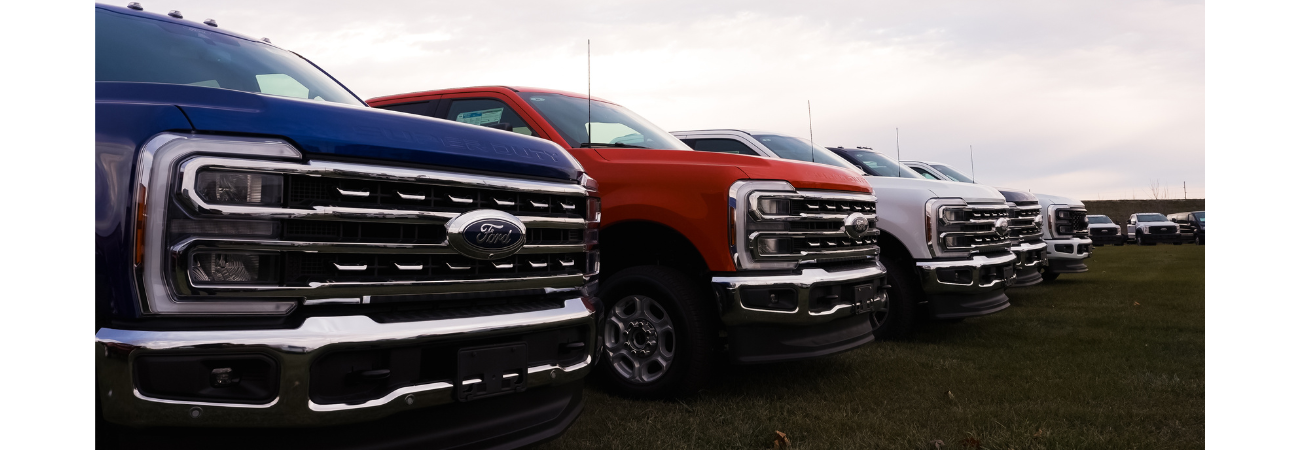
A used truck can feel like the perfect fit until you find the first surprise. In Central Iowa, surprises often come from winter salt brine, gravel roads, and mud that hides in seams. Those conditions don't ruin every truck, but they do change what you should inspect first.
This guide keeps it practical. You'll know what to check before you sign, whether you're buying from a dealer or a private seller. Bring a flashlight, a few paper towels, and a small magnet. If you have an OBD2 scanner, toss it in too. Plan a test drive that includes a short highway stretch and a rougher road, so you can hear and feel what the truck's been through.
Your quick used truck checklist, the walkaround and under the hood
Start slow and stay methodical. A used truck can look great from 10 feet away, so your goal is to spot the expensive stuff up close.
Begin with a walkaround on level ground. Check that the truck sits evenly. Then look at the glass and lights. Replacing a cracked headlight can cost more than you expect, especially on newer trims.
Next, open and close every door, the hood, and the tailgate. Each should latch cleanly. Sagging hinges, sticking latches, or a tailgate that drops too fast can point to wear, prior damage, or hard use.
Here's a fast, high-value way to inspect without turning it into a two-hour event:
Tires first: Uneven wear can signal alignment, suspension, or steering issues.
Leaks second: Look under the truck before it's moved, then look again after it idles.
Smells and sounds: Burnt fluid smells, loud ticking, or a hissing vacuum sound deserve a closer look.
Gauges and warning lights: The cluster should light up at key-on, then clear after start (unless there's a real fault).
If the seller warmed the truck up before you arrived, ask for a cold start another day. Cold starts reveal more than warm ones.
Body, frame, and rust checks that matter in Iowa winters
In Iowa, rust is the story behind the paint. Surface rust on exposed metal can be normal. Flaking rust, swelling seams, and soft spots are the ones that drain your wallet.
Focus on areas that catch salt and trap moisture:
Frame rails and crossmembers (especially behind the front wheels)
Cab corners and rocker panels
Wheel wells and inner fender lips
Bed supports and the area above the spare tire
Bumpers, hitch receiver, and trailer plug bracket
Use your flashlight and look for rust that flakes in layers. Tap suspect spots with a knuckle. Metal that sounds dull or crushes easily is a red flag. Also watch for fresh undercoating that looks too new compared to the rest of the underside. Some owners undercoat as prevention, but heavy, uneven coating can hide scale or patch work.
Bodywork clues matter too. Check panel gaps along the hood and doors. Uneven spacing can suggest crash repair. Look for overspray on rubber seals or inside the door jambs. Mismatched paint is easier to spot in daylight, so step back and compare reflections on both sides.
That small magnet helps. Lightly place it on lower doors, bed sides, and cab corners. If it won't stick in a spot that should be steel, you might be looking at body filler.
Finally, check for mud packed into seams and brackets. Farm lanes and gravel roads can push debris into places that stay wet for weeks, especially around bed corners and step bars.
If you only have five minutes, prioritize the frame, the rocker panels, and the hitch area. That's where expensive rust likes to hide.
Engine bay and fluids, simple signs of big problems
Pop the hood and look before you touch anything. A clean engine bay is fine, but a freshly washed bay can hide leaks for a day.
If you can do a cold start, listen closely. A brief tick can be normal. A steady knock, loud tapping, or a rough idle isn't. Walk to the tailpipe and watch the exhaust. Blue smoke points to oil burning. White smoke that lingers after warm-up can suggest coolant burning. Black smoke under light throttle can mean fueling issues.
Now check fluids with paper towels:
Oil: Level should be correct. Milky or frothy oil can mean coolant mixing with oil.
Coolant: Look in the reservoir when cool. It should look clean, not rusty, sludgy, or oily. A sharp, sweet smell with low coolant can be trouble.
Transmission fluid (if there's a dipstick): It should look clean and not smell burnt. Many newer trucks have sealed units, so focus on leaks and records.
Brake fluid and power steering fluid: Low levels can hint at leaks, but also neglect.
Scan for wet spots around valve covers, the oil pan, and the front of the engine near the water pump. Squeeze radiator hoses when cool. They shouldn't feel brittle or overly soft. Check belt condition too. Cracks and glazing often mean the truck sat, or service was skipped.
Don't forget the battery. Corrosion on terminals is common, but heavy buildup can cause hard starts. Also look for mismatched battery dates if the truck has stop-start or extra electrical loads.
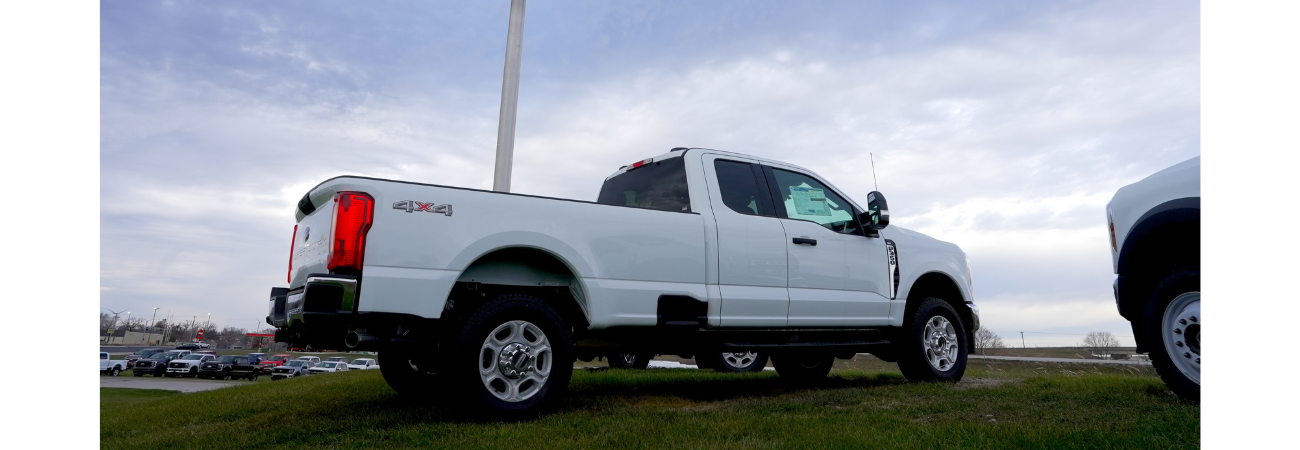
Test drive like a local, what to feel and listen for on Central Iowa roads
A good test drive is like a quick physical for the truck. Keep the radio off at first, open the windows a bit, and take a route that matches real Iowa driving.
Start in a neighborhood. Use light throttle and gentle braking. Then move to a 55 mph road or the interstate for a few miles. Finish with a rougher stretch, like older concrete, patched asphalt, or a well-kept gravel road. You're not trying to punish the truck, you're trying to hear it.
Pay attention to how the truck shifts. It should shift smoothly and not hunt between gears on mild hills. Under steady speed, a shudder or vibration can suggest drivetrain wear.
After the drive, park and let it idle. Then check underneath again for fresh drips. Heat and pressure can turn a small seep into a visible leak.
Steering, brakes, suspension, and tires, clues you can spot in 15 minutes
On a straight road, the truck should track straight with a relaxed grip. If it pulls, the issue could be alignment, tire wear, or a sticking brake caliper. Vibration through the steering wheel at 55 to 70 mph often points to tire balance, bent wheels, or worn front-end parts.
Braking should feel smooth. A pulsing pedal can mean warped rotors. A steering shake under braking can mean front brake or suspension wear.
Listen for clunks over bumps. Iowa potholes and washboard gravel can wear ball joints, tie rods, sway bar links, and shocks. At a stop, turn the wheel left and right. Any creaks or pops can be a clue.
Tires tell the truth fast. Cupping can suggest bad shocks. Inner edge wear can mean alignment or worn suspension parts. Also check if the truck has mismatched tire brands or sizes, because that can affect 4WD systems.
Before you wrap up, check the spare and the jack. A missing jack is a bad surprise on a cold shoulder in January.
4WD, towing gear, and cab features, make sure it fits your real needs
If the used truck has 4WD, test it. Follow the dash prompts or owner's manual, and engage 4HI on a straight, low-speed roll. Then try 4LO only if conditions allow and the system requires neutral. Listen for grinding or harsh banging. Some tire chirp on tight turns in 4WD can be normal on dry pavement, so keep it straight.
Look under the truck for transfer case leaks and check for torn CV boots on independent front suspensions.
Towing gear deserves a close look. Inspect the hitch receiver for heavy rust, cracks, or egg-shaped pin holes. Check trailer wiring for corrosion. If there's an integrated brake controller, confirm it powers on and doesn't throw an error.
Inside the cab, test the basics quickly: heat, AC, defrost, wipers, windows, locks, and the backup camera. Warning lights should stay off after start. Finally, read the door jamb sticker for payload. That number matters more than marketing, especially for campers, salt spreaders, and work trailers.
Paperwork and pricing in Iowa, what to verify before you sign
A clean drive doesn't erase paperwork problems. Before money changes hands, slow down and verify the details that protect you later.
Even if you plan to buy through a dealer, keep using the same checklist. The difference is the process often feels simpler, and you may have more options for service support. At Story Ford, for example, you can shop a range of makes in their browse pre-owned trucks Story City listings, not only Ford models.
Also ask for a clear breakdown of the out-the-door number. That includes taxes, title, registration, doc fees, and any add-ons.
Title, VIN, history report, and service records, reduce the risk fast
Match the VIN in three places: the dash, the driver door jamb, and the paperwork. If anything looks altered or inconsistent, stop the deal until it's explained.
Ask direct questions about prior use. Fleet trucks can be fine, but they rack up idle hours. Plow trucks may have extra front-end wear. Farm trucks often see mud, dust, and short trips. A history report helps, but it's not the whole story, so service records matter more.
Look for proof of oil changes and the bigger items too, like transmission service, differential fluid, and brake work. Check that recalls were completed. If something feels off, pay for an independent pre-purchase inspection. That cost can save you thousands.
Total cost to own, budget for the next 12 months, not just the sale price
The sale price is only the opening number. Plan for tires, brakes, battery age, alignment, and fluid service. In Central Iowa, add winter basics like wiper blades and quality washer fluid.
Use a simple rule when you negotiate: if the truck needs three or more big items soon (tires, brakes, suspension work, rust repair, major fluid leaks), either negotiate hard or walk away.
Before signing, confirm what comes with the truck. Extra keys, floor mats, a tonneau cover, or a hitch insert can save you money. If there's a warranty or a buyer's guide, read it line by line.
A used truck is a tool. Make sure it's priced like a ready-to-work tool, not a project.
Conclusion
Buying a used truck in Central Iowa gets easier when you keep your priorities straight. Put rust and frame checks first, because salt brine and gravel don't play nice. Next, focus on fluids and a cold start, since small signs can point to big repairs. Then test drive with intent on the same roads you'll drive every week. Finally, verify VINs, history, and your true 12-month costs before you sign.
Bring this checklist, ask clear questions, and don't rush. The right used truck should feel like a solid handshake, not a gamble. If you want a second set of eyes, schedule a test drive or ask for inspection help at Story Ford.