
Service Records That Help Support Your Car's Resale Value
Dated, itemized service records help buyers understand how you've cared for your car. For Story City drivers preparing to sell, they answer a practical question: how can a buyer tell the vehicle received regular attention?
Clear paperwork can build trust and support a stronger asking price. It can't guarantee a return on investment (ROI) or a higher offer. Start with records that identify completed work, then organize them so buyers can follow the history without sorting through unrelated paperwork.
Key Takeaways
Dated, itemized service records that raise resale value help buyers understand a car's maintenance history and can support the asking price, but they don't guarantee a higher offer.
Keep invoices and receipts that identify the vehicle, service date, mileage, completed work, and service provider. Parts receipts alone don't prove that work was completed.
Separate warranty coverage documents from invoices, and distinguish completed repairs from estimates or recommendations.
Organize paper and digital records in a clear timeline, disclose gaps, and describe the vehicle's history accurately.
How service records support a car sale
A documented maintenance history gives buyers more information when comparing similar vehicles. It also helps explain your asking price beyond appearance alone. Story Ford's Ford Protect maintenance information identifies regular maintenance as a factor that can improve trade-in or resale value.
Why buyers value a clear maintenance history
Dated, itemized invoices show which services a vehicle received and when. Mileage entries add context to the sequence of visits but don't independently prove odometer accuracy.
Dealership records and receipts from trusted independent shops both count. Clear descriptions help buyers distinguish routine maintenance from repairs that addressed a particular problem.
What records can and cannot prove
Paperwork documents reported work, not the vehicle's complete condition. Buyers may still want a test drive, vehicle history report, or mechanic's inspection.
For trucks, Story Ford's used truck service records checklist highlights transmission service, differential fluid service, and brake work alongside oil changes.
What car maintenance records should you keep?
The most useful records identify the vehicle, service date, mileage, work performed, and service provider. Itemized descriptions make the history easier to understand than a payment total alone. Keep records of smaller jobs too, since routine visits help connect the larger repairs.
Keep repair orders, maintenance receipts, and parts records
Retain completed repair orders and invoices showing parts and labor. Your collection should cover:
Oil and filter changes, plus other scheduled maintenance.
Tire rotations, tire replacements, and brake work.
Battery replacement and major mechanical repairs.
Upgrades, replacement parts, and related warranty paperwork.
For owner-performed maintenance, retain parts receipts and a dated record of the work. Be clear about who completed it. A parts purchase alone doesn't establish that someone installed the part.
Keep warranty and coverage paperwork separate
Warranty documents explain coverage, while service invoices describe completed work. Keep that distinction clear when presenting both to a buyer.
For example, Ford Protect Premium Maintenance includes oil and filter changes, multi-point inspections, tire rotations, and certain wear items. A plan document describes coverage; invoices establish which services the vehicle received.
How to store service records and prepare them for a sale

Use one consistent organizational system for the vehicle's history. For Story City drivers handling repairs and seasonal maintenance at different shops, consistency makes separate visits easier to follow. Focus on complete records and a clear timeline.
Keep complete service documents together
Treat each service visit as one entry. Keep all pages associated with that visit together so the work description stays connected to the date, mileage, and total.
Also, distinguish completed invoices from estimates or recommendations. An estimate describes proposed work, so presenting it as proof of a completed repair would mislead a buyer.
Build a useful digital service history
If a shop provides electronic invoices, include those in the same timeline as your other records. Each entry should identify the vehicle and describe completed work rather than show only a payment confirmation.
Avoid relying entirely on account-dashboard totals or appointment listings. Those entries may show that a visit occurred without explaining what the shop did.
Present records clearly when selling
Arrange records oldest to newest and write a short maintenance summary. Group routine service separately from major repairs so buyers can find either quickly.
Be honest about missing periods and unsupported claims. If you're considering a Story Ford trade-in appraisal, prepare that same summary beforehand so you can describe the vehicle's maintenance accurately.
Frequently Asked Questions
Do service records increase a car's resale value?
They can improve buyer confidence and help support the asking price, but there's no fixed increase or guaranteed ROI. Condition, age, mileage, buyer demand, and record quality all affect their usefulness during a sale.
Can I sell a car without service records?
Yes, missing paperwork doesn't prevent a sale. Be upfront about what's unavailable, offer recent invoices you have, and consider an independent inspection to provide more information about the vehicle's current condition.
Are digital service records enough for a buyer?
Clear digital records are often useful when they identify the vehicle, date, mileage, and completed work. Before sharing them, make sure the files open correctly and the service descriptions are readable without access to your account.
How far back should my maintenance history go?
Keep every available service record for as long as you own the vehicle, including records received from a previous owner. Older entries give a prospective owner more context, even when the history has gaps or the vehicle changed service providers.
Make Your Maintenance History Easy to Follow
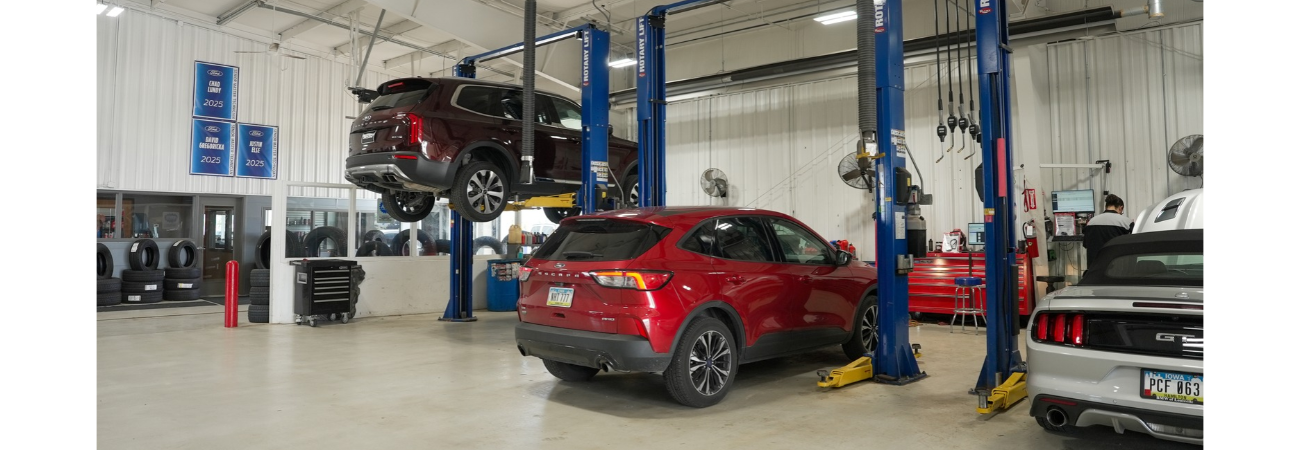
Useful service records connect completed work with dates, mileage, and itemized descriptions. A clear timeline helps buyers understand the care your car received without overstating what the paperwork proves.
Start with your next service visit and gather older records before listing the vehicle. Complete, honest documentation supports a more informed sale, while the car's condition and market demand still shape the offer.