

Choosing Towing Gear for Your Ford Truck
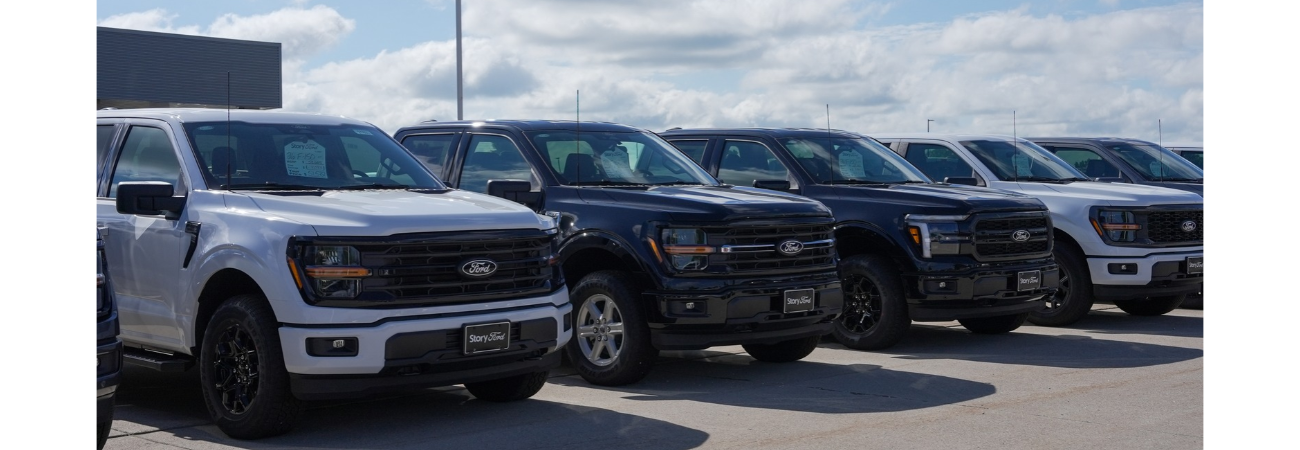
Towing with your Ford starts with matching equipment to your truck and trailer, not shopping by the Ford badge alone. When you're towing with your Ford, the right mirrors, brake controller, and hitch support visibility, braking, and control.
Your truck's ratings and factory equipment shape those choices. Start with the numbers, check what your truck already has, and choose equipment for the loaded trailer you'll pull.
Key Takeaways
Check your Ford's ratings for its exact configuration and compare them with the trailer's loaded weight.
Count passengers, cargo, accessories, and tongue weight against payload capacity, and stay within the truck's weight and axle limits.
Check factory equipment and wiring before buying additions. Choose mirrors, a brake controller, and a hitch that fit the trailer and truck ratings.
Inspect towing equipment before a trip. Delay travel if you find damage or unresolved brake-controller warnings.
Check your Ford's towing limits before you shop
Ford's advertised maximums vary by configuration and describe properly equipped trucks. For example, the Ford F-150 payload and towing specifications list a maximum available rating of 13,500 pounds and maximum available payload of 2,440 pounds for 2026. Those figures don't apply to every F-150. Super Duty ratings also vary by configuration.
Check Ford towing capacity against your truck's actual ratings and loaded weights. Your owner's manual, door-jamb labels, and Ford towing guide provide truck-specific information about its limits.
Know the trailer weight, payload, and tongue weight
The trailer's loaded weight matters, but so does the weight carried by the truck. Passengers, tools, cargo, and accessories all use payload capacity.
Tongue weight is the downward force a trailer places on the truck. That load also uses truck payload. Story Ford's Ford truck payload and hitch-weight guide explains why a camper or equipment trailer can use payload faster than expected.
Stay within the truck's gross vehicle weight rating, front and rear axle ratings, and rated limits.
Confirm your truck's factory equipment and wiring
Factory equipment differs between trucks. Examples include the Max Trailer Tow Package and Trailer Tow Package. A receiver or trailer connector alone doesn't describe the complete setup.
For a used pickup, condition matters too. Story Ford's used truck towing equipment checklist covers receiver damage, wiring corrosion, and brake-controller warning messages. Check existing equipment before you spend money on additions.
How to choose the right towing mirror, brake controller, and hitch for your Ford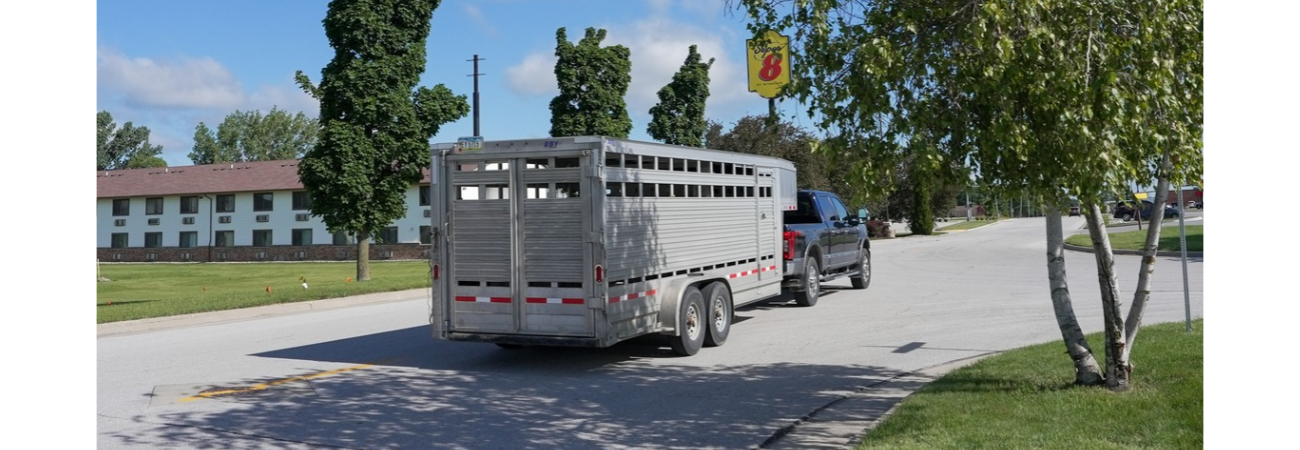
Each purchase addresses a different part of towing. Mirrors support visibility, the controller manages trailer braking, and the hitch connects the trailer to the truck.
Pick towing mirrors that give you a clear view of the trailer
A trailer changes what you can see beside and behind your truck. Choose mirrors that provide clear sightlines along both sides of the trailer.
Appearance alone tells you little about those sightlines. A large mirror can still leave blind spots.
Consider the trailer you normally pull, rather than choosing equipment for an empty truck. Check sightlines during towing before spending on convenience features.
Choose a brake controller that matches the trailer brakes
Trailer braking deserves attention alongside pulling power. A controller lets you adjust the trailer's braking contribution.
Available F-150 trailer brake controller and towing systems include an integrated controller on properly equipped trucks. Factory equipment varies by truck; the Max Trailer Tow Package and Trailer Tow Package aren't available on every configuration. Check for an integrated controller before considering another purchase.
When comparing controllers, consider how clearly you can read the display and reach the controls. Price matters, but braking equipment needs to be easy to understand from the driver's seat.
Match the hitch to the trailer and Ford's receiver rating
A hitch carries the load, so its condition matters as much as its appearance. Heavy rust, cracks, and damaged pin holes need attention before the trailer moves.
Match the rating to the trailer and the truck's receiver rating, measured in pounds. A larger-looking hitch doesn't increase the truck's rated capacity.
Choose equipment as part of a complete setup. One substantial-looking piece doesn't establish that the truck and trailer are ready for the road.
Make towing with your Ford safer before your first trip
A useful towing setup provides clear visibility, understandable controls, and equipment in sound condition. Count passengers and cargo against payload capacity, even if the trailer hasn't changed. An extra 20 pounds of gear reduces the truck's available payload.
When towing, give yourself more room to slow down and maneuver. The truck-and-trailer combination takes up more space on Story City streets and nearby roads.
Unresolved damage or brake-controller warnings are reasons to delay a trip and seek professional help. A departure deadline shouldn't determine whether questionable equipment stays in service.
For longer trips, set aside time to check the truck and trailer instead of treating the equipment alone as the entire preparation.
Frequently Asked Questions
Do I need towing mirrors for every trailer?
The deciding issue is whether your standard mirrors provide a safe view along both sides of the trailer. For towing, consider the trailer's width: a small trailer and a wide camper create different visibility demands.
Can I add an aftermarket brake controller to my Ford?
Aftermarket trailer brake controllers are available for Ford trucks. Because trailer braking is safety-related, get professional help choosing equipment instead of buying based only on price or appearance.
Can I tow more if I install a stronger hitch?
Stronger equipment doesn't raise your Ford's towing, payload, or axle limits. Those truck ratings still apply after an upgrade, so added equipment doesn't increase your truck's capacity.
Can trailer cameras replace towing mirrors?
Cameras provide another view, but they don't replace the mirrors you use to observe surrounding traffic. Treat camera images as an additional driving aid, not a substitute for visibility beside the truck and trailer.
Build Your Towing Setup Around the Truck
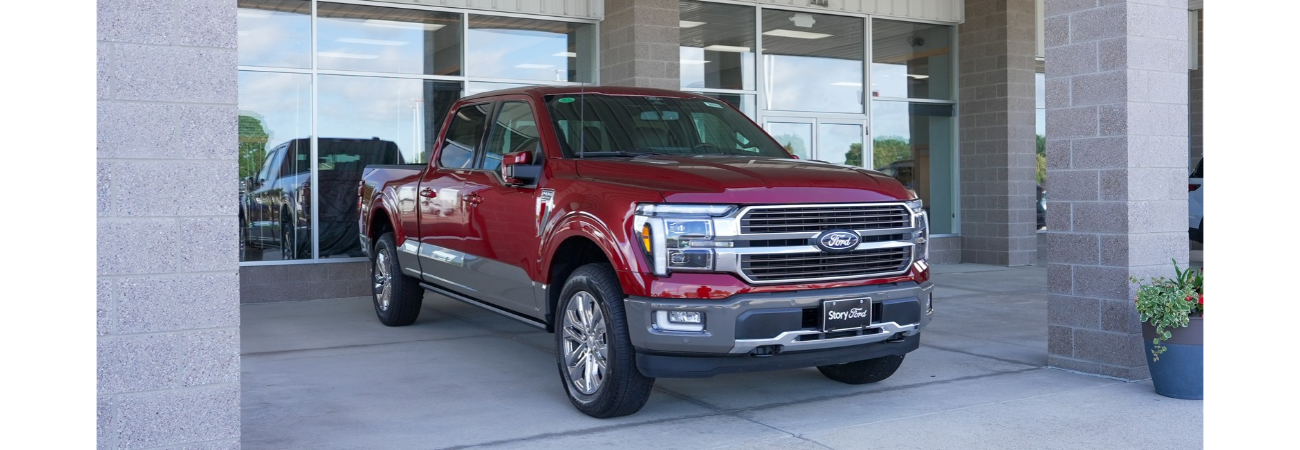
Start by checking the Ford towing capacity for your truck's exact configuration and the trailer's loaded weight. Use the Ford towing guide to confirm those limits, then choose equipment around visibility, braking, and the trailer connection without overlooking payload.
Our team of Ford specialists can help you check your F-150's ratings and review your setup. Ask for help before heading out with the trailer.